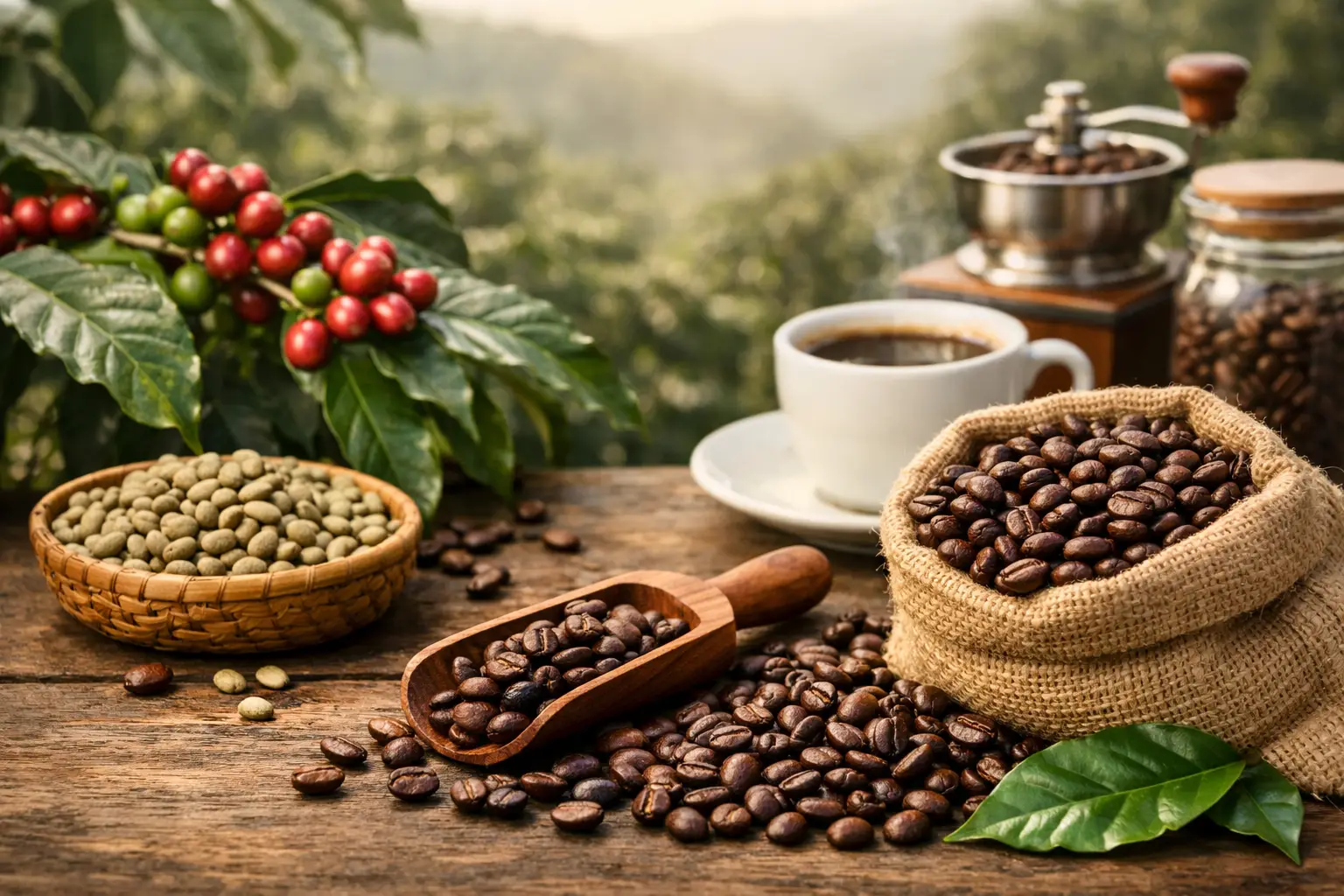
The difference often shows up before the first sip. Open a bag of organic specialty coffee beans and the aroma is usually cleaner, more expressive, and easier to recognize – florals, citrus, cocoa, stone fruit, or warm spice, depending on origin and roast. That clarity is not an accident. It comes from a chain of choices, from how the coffee is grown to how it is roasted and finally prepared in the cup.
For people who care about what they consume, coffee is no longer just a caffeine habit. It is part of a daily standard. The bean matters, the farm matters, and the way that coffee fits into a healthier routine matters too. When coffee is both organic and specialty grade, it offers something rare: purity without sacrificing pleasure.
What organic specialty coffee beans actually mean
These two words – organic and specialty – are often used together, but they do different jobs.
Organic refers to how the coffee is cultivated and processed. In simple terms, it points to farming practices that avoid synthetic pesticides, herbicides, and fertilizers. That matters for people who want a cleaner product, but it also affects the growing environment itself. Coffee grown with care for the soil, water, and surrounding ecosystem tends to reflect a more intentional agricultural philosophy.
Specialty refers to quality. Specialty coffee is evaluated for excellence in aroma, flavor, sweetness, acidity, balance, and overall cup profile. It is not generic commodity coffee. It is selected, sorted, and handled to preserve distinction. You taste the origin more clearly because the bean has been treated as something valuable at every stage.
Put those together, and organic specialty coffee beans represent both integrity and craftsmanship. One speaks to purity in cultivation. The other speaks to excellence in the cup.
Why cleaner sourcing changes the cup
Coffee is an agricultural product, which means it carries the imprint of where and how it was grown. Altitude, soil composition, rainfall, plant variety, and harvesting standards all shape flavor. Organic farming adds another layer. It encourages slower, more balanced cultivation and often aligns with producers who take long-term crop health seriously.
That does not mean every organic coffee tastes better by default. Quality still depends on variety, processing, harvest timing, and roasting skill. But when high-grade beans are organically grown and carefully handled, the result is often remarkable in its precision. You can taste notes that feel more defined rather than buried under bitterness or harsh roast character.
For coffee drinkers used to heavily sweetened café beverages, this can be a surprise. A naturally expressive coffee does not need much added to become enjoyable. In many cases, it needs less. That is one reason organic specialty coffee fits so well into a wellness-minded lifestyle. It supports the pleasure of coffee without depending on syrups, refined sugar, or flavor masking.
Organic specialty coffee beans and wellness
A healthy coffee routine is not just about what is absent. It is also about what is preserved.
When beans are sourced with higher standards and roasted with restraint, the cup tends to feel cleaner and more elegant. The sweetness comes from the coffee itself. The finish is smoother. The aroma is more natural and layered. For many people, that shifts coffee from being a quick stimulant to being a more mindful part of the day.
There is also a practical side to this. If your goal is to reduce processed ingredients, starting with better beans makes that easier. Lower-quality coffee often pushes people toward cream, sugar, and flavored additives because the base cup lacks balance. Better coffee gives you more flexibility. You can drink it black, take it with a little milk, or sweeten it lightly with natural alternatives without losing its character.
Of course, wellness is personal. Some people prioritize certified organic sourcing. Others care most about digestibility, roast level, or avoiding overly sweet drinks. The right coffee depends on those priorities. Still, beans that are both organic and specialty grade offer a strong foundation for anyone who wants quality and ingredient integrity in the same cup.
The role of origin in flavor and identity
Not all coffee origins express themselves in the same way, and that is part of the appeal. Origin is not branding decoration. It is a flavor story.
Ethiopian coffees are a strong example, especially those from celebrated high-altitude regions such as Yirgacheffe. They are known for elegance, floral aromatics, citrus brightness, and tea-like texture. When grown organically and roasted with precision, these qualities can feel almost weightless yet deeply memorable. You are not just drinking coffee. You are tasting a landscape, a climate, and a long cultural history of coffee cultivation.
For consumers who appreciate authenticity, origin matters because it adds honesty to the experience. A bag labeled by origin, variety, and roast tells you more than a vague dark roast ever could. It signals transparency. It respects the bean enough to let it speak.
That is also why origin-driven brands resonate with people who want more from their coffee ritual. At Yirga Specialty Coffee, Ethiopian coffee heritage is not treated as a trend. It is part of the brand’s foundation, shaping both flavor standards and the sense of care behind the cup.
Roast quality makes or breaks the bean
Even exceptional beans can lose their character in the roaster. Roast too dark, and delicate notes disappear behind smoke and bitterness. Roast too light without control, and the cup can taste underdeveloped or sharp. Specialty coffee depends on precision because the goal is not simply color – it is expression.
With organic specialty coffee beans, roasting should reveal the bean’s natural profile rather than overpower it. A good roast brings structure to acidity, lifts sweetness, and creates a satisfying finish. It also respects the differences between origins and bean types. An Ethiopian Arabica should not be treated the same way as a heavier-bodied Robusta or a blend designed for espresso.
This is where craftsmanship becomes visible. The best roasters make deliberate choices based on density, moisture, process, and intended brew method. That kind of attention is what turns a premium raw product into a cup that feels polished and complete.
Choosing the right beans for how you drink coffee
The best coffee is not always the rarest or the most expensive. It is the one that suits your palate and your routine.
If you like filter coffee, pour-over, or a clean morning cup, a light to medium roast organic specialty coffee may give you the most nuance. You will notice florals, fruit, and acidity more clearly. If you prefer espresso or milk-based drinks, a medium or medium-dark roast may offer more body and chocolate depth while still keeping the cup refined.
Bean variety matters too. Arabica is usually prized for complexity and aromatic detail. Robusta tends to offer more intensity and crema, especially in espresso. Blends can be excellent when they are built with purpose rather than as a shortcut. There is no single superior choice in every context. It depends on whether you want brightness, richness, softness, or strength.
Freshness should guide your buying decision as much as roast level. Coffee is at its best when it has been roasted recently and stored properly. Whole beans preserve flavor longer than pre-ground coffee, which is why tailored grinding just before brewing can make such a noticeable difference.
Why this category keeps growing
People are asking more of their coffee now. They want transparency, better flavor, and products that align with how they eat and live. That shift has created space for coffee that feels more intentional – not only premium, but clean and credible.
Organic specialty coffee beans meet that expectation because they deliver on more than one level. They satisfy experienced coffee drinkers who care about origin and roast, and they also appeal to consumers who simply want a better daily cup without unnecessary additives. It is one of the few categories where sensory pleasure and wellness values can genuinely support each other.
That does not mean every bag marketed this way is equal. Some coffees lean heavily on organic claims without true cup quality. Others perform well in tastings but say little about sourcing standards. The strongest offerings do both. They respect the farm, the bean, and the customer.
A better coffee habit usually begins with a better bean. When that bean is organic, specialty grade, and thoughtfully roasted, the cup feels clearer in every sense – cleaner in origin, richer in character, and more aligned with the way many people want to live now. If coffee is part of your daily rhythm, it is worth choosing one that brings purity, craft, and genuine pleasure to every pour.
