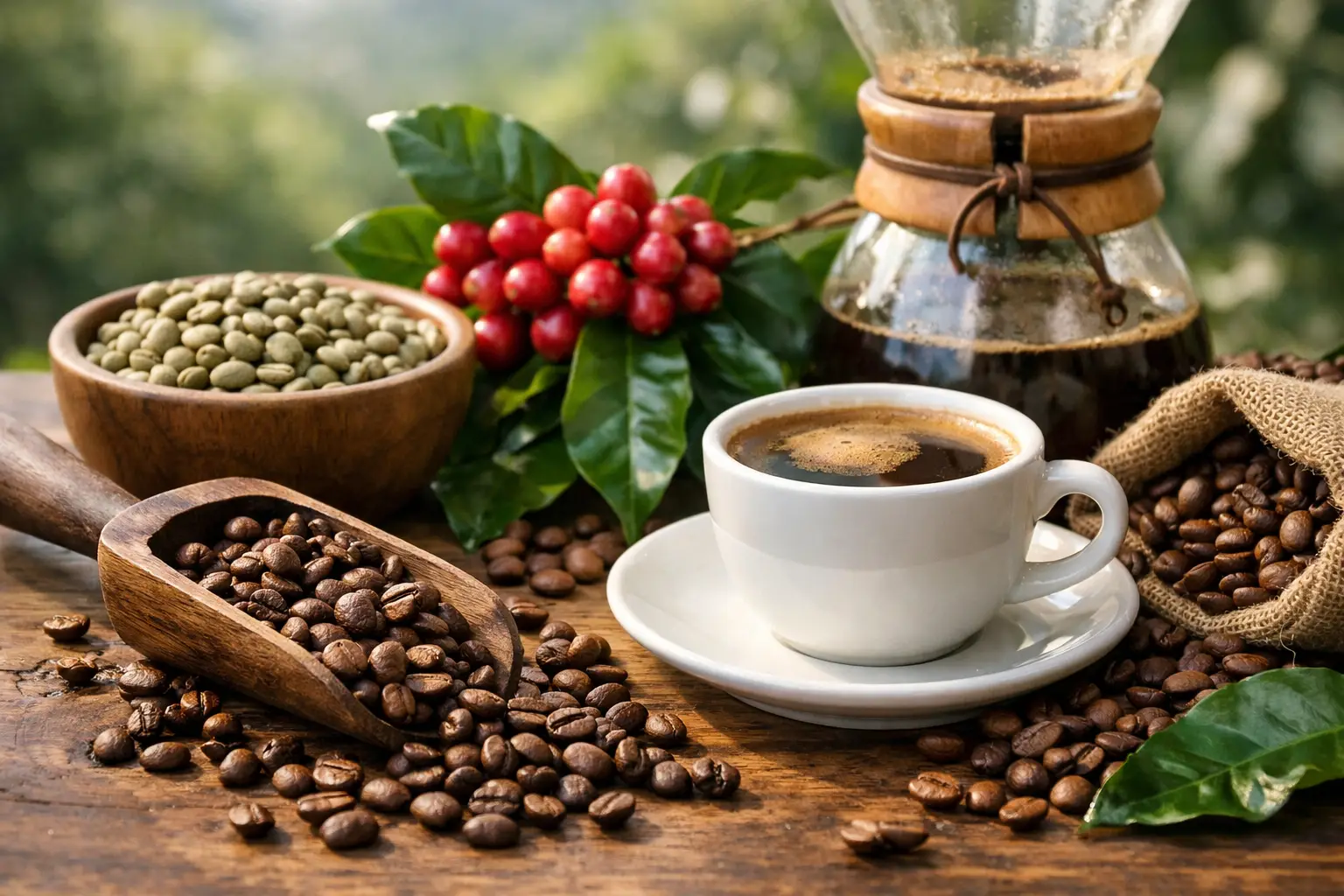
The difference often shows up before the first sip. An organic coffee blend tends to give off a clearer aroma, a more natural sweetness, and a cup that feels intentional rather than engineered. For people who care about ingredient integrity as much as flavor, that distinction matters.
Coffee is one of the most ritualized drinks in daily life, yet many people still treat the bean itself as an afterthought. They notice roast level, maybe origin, sometimes brewing method. What gets missed is how the coffee was grown, how different beans were combined, and whether the final cup reflects craftsmanship or convenience. That is where a well-made organic blend stands apart.
What an organic coffee blend really means
At its simplest, an organic coffee blend is a combination of coffee beans grown without synthetic pesticides, herbicides, or chemical fertilizers. But in practice, that definition is only the starting point. The better question is what the blend is trying to achieve.
A thoughtful blend is not a shortcut. It is a deliberate composition built to create balance, structure, and a consistent sensory profile. One bean may bring floral fragrance, another deeper body, another a cocoa-like finish. When those coffees are sourced cleanly and roasted with care, the result is not only better tasting. It also feels more honest.
That matters for coffee drinkers who want purity in the cup. If you are already avoiding overly processed beverages, artificial flavoring, and refined sugar, your coffee standards usually rise with the rest of your routine. A blend made from organic beans aligns more naturally with that mindset.
Why blend at all if single origin gets more attention?
Single-origin coffees have earned their reputation for clarity and distinctiveness. Ethiopian coffees, especially from high-altitude regions like Yirgacheffe, can offer remarkable brightness, jasmine-like aromatics, and citrus or stone-fruit notes that feel vivid and memorable. There is real beauty in that.
But a blend offers something different. It can be more rounded, more stable across brewing methods, and often more suitable for everyday drinking. If a single-origin coffee is about showcasing one place at one moment, a blend is about creating a complete experience.
That does not make blends less premium. In many cases, it makes them more demanding to produce well. Blending requires precision. The beans have to complement one another rather than compete. The roast needs to respect each component. And the final cup should taste integrated, not layered in a confusing way.
For espresso drinkers, blends are especially compelling because they can deliver sweetness, body, crema, and structure all at once. For home brewers, they can offer a dependable cup that still carries nuance. The trade-off is that a blend can soften the sharp individuality of a single origin. Whether that is a drawback depends on what you want from your coffee.
The flavor advantage of a well-crafted organic coffee blend
A great blend is designed around harmony. Instead of chasing intensity for its own sake, it aims for proportion.
An Ethiopian Arabica might contribute delicate florals and clean acidity. A natural-process component may bring berry-like sweetness. A small percentage of Robusta, if chosen carefully and roasted properly, can add body and depth, especially in espresso-focused blends. The point is not to hide flaws. It is to build a cup that feels complete.
Organic sourcing can support that flavor quality in a meaningful way. Beans grown with careful agricultural practices often express origin character more clearly because the focus is on healthy soil, slower maturation, and selective harvesting. Organic does not automatically guarantee better taste, and it should not be used as a substitute for quality control. Poor roasting can flatten excellent beans. Weak blending can muddy even beautiful coffees. Still, when organic cultivation is paired with specialty-level standards, the result is often cleaner and more articulate in the cup.
That is one reason so many discerning coffee drinkers describe organic coffee as tasting cleaner. They are not imagining it. Cleaner sourcing, careful handling, and less interference can preserve the natural sweetness and aromatic detail already present in the bean.
Organic coffee blend and wellness are closely linked
For many people, wellness in coffee has nothing to do with trends. It comes down to what they consume every day and how it fits into a broader lifestyle.
Coffee on its own can be a simple, natural beverage. The problem usually starts with what gets added to it – refined sugar, flavored syrups, powdered creamers, and heavily processed extras that turn a good cup into something far removed from coffee itself. Choosing an organic coffee blend is one way to bring the focus back to the bean.
When the coffee is balanced and naturally sweet, it does not need much correction. You are less likely to cover it with sugar because the cup already offers depth and softness. That makes organic blends especially appealing to people who prefer a cleaner coffee ritual.
There is also the issue of consistency. A carefully built blend helps create a dependable experience from cup to cup. If your morning coffee is part of your daily rhythm, that reliability matters. You want something that tastes refined without asking for constant adjustment.
What to look for before you buy
Not every organic blend is worth the premium. Certification matters, but it is not the whole story. A serious coffee brand should also be transparent about bean type, roast style, and flavor direction.
Start with the composition. Is the blend made from Arabica, Robusta, or both? Neither answer is automatically better. Arabica usually offers more aromatic complexity and acidity. Robusta can contribute strength, crema, and a darker chocolate profile. A blend that includes both can work beautifully if the balance is intentional.
Next, consider roast level. Lighter roasts tend to highlight floral notes, fruit, and acidity. Medium roasts often create the best middle ground for people who want sweetness and clarity without sharp edges. Darker roasts bring more bitterness, smoke, and boldness. That can be appealing, especially in milk-based drinks, but it can also obscure the character of the beans if pushed too far.
Freshness matters just as much. Organic beans still need precise roasting, proper resting, and the right grind for the brewing method. A premium blend should feel curated from farm to cup, not just labeled well.
The role of heritage in a better blend
Coffee is never only about flavor. It also carries agricultural knowledge, regional identity, and brewing traditions that shape how we experience the cup.
Ethiopian coffee heritage is especially significant here because Ethiopia is not simply a producing country. It is the birthplace of Arabica coffee and one of the world’s richest sources of sensory diversity. Floral, citrusy, tea-like, and berry-toned coffees often trace back to Ethiopian growing regions with remarkable altitude and complexity.
When those roots inform a blend, the result can feel more alive. You are not drinking a generic profile built for mass appeal. You are tasting a coffee shaped by place, selection, and intention. That sense of authenticity is part of what makes premium organic coffee feel different. It is less about marketing language and more about whether the cup carries a clear point of view.
For a brand such as Yirga Specialty Coffee, that heritage naturally strengthens the value of the blend. It connects purity with provenance, and wellness with taste.
Is an organic coffee blend right for every coffee drinker?
Not always. If you only want the sharp singularity of one micro-lot coffee, a blend may feel too composed. If you prefer very dark, smoky coffee no matter the bean quality, you may not notice the finer distinctions that make an organic blend special.
But for many drinkers, especially those who want premium taste without excess, it is the most practical and satisfying choice. It gives you consistency without becoming dull. It offers complexity without becoming fussy. And when it is made from clean, carefully sourced beans, it supports the kind of everyday coffee ritual that feels both elevated and grounded.
The best coffee choices usually come down to what you want repeated in your life. If that answer includes purity, balance, and a cup that tastes naturally complete, an organic coffee blend is more than a label. It is a better standard to start from.
