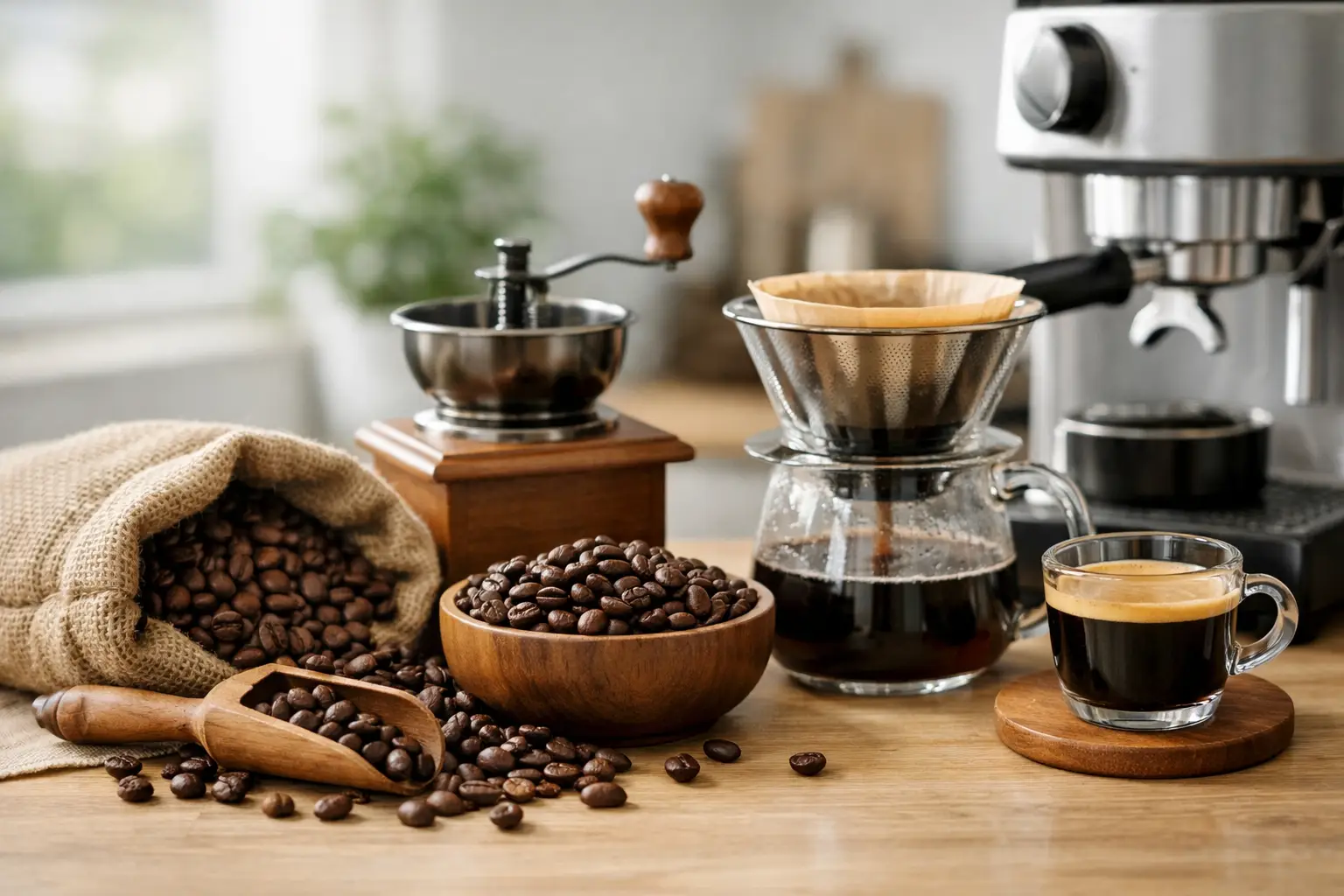
A home-brewed cup can taste flat, harsh, or oddly lifeless even when your brewer is excellent. More often than not, the issue is not the machine. It is the bean. Choosing the best coffee beans for home brewing changes everything – aroma, texture, sweetness, and how clean the finish feels after each sip.
For people who care about both flavor and ingredient integrity, bean selection matters even more. The right coffee should deliver character without needing flavored syrups, excessive sweeteners, or heavy add-ins to make it enjoyable. When the coffee is well sourced, properly roasted, and suited to your brew method, the cup feels complete on its own.
What makes the best coffee beans for home brewing?
The short answer is balance. Great home-brewing beans are fresh, carefully roasted, and aligned with how you actually prepare coffee at home. A beautiful bean can still disappoint if it is too dark for your taste, too delicate for your method, or ground incorrectly before it reaches your kitchen.
Origin plays a major role. Ethiopian coffees, especially high-altitude lots, are known for clarity, floral aroma, and layered fruit notes. They often appeal to drinkers who enjoy a more expressive cup with a clean finish. Latin American coffees tend to offer chocolate, caramel, and nut tones that feel familiar and easy to brew consistently. Robusta can add body and intensity, but on its own it may feel too forceful for some palates unless you specifically enjoy a stronger, more bitter profile.
Roast level matters just as much. Light roasts preserve more of the bean’s original character, which means more acidity, more distinction between origins, and often a brighter cup. Medium roasts are usually the easiest starting point for home brewers because they balance sweetness, body, and complexity. Dark roasts bring deeper bitterness and smokier notes, which some people love in milk drinks but others find overpowering when drinking coffee black.
Then there is freshness. Coffee is at its most expressive after it has rested briefly from roasting and before it has had too much contact with air, moisture, heat, and light. That is why buying from a roaster that treats coffee as a craft product, not a shelf-stable commodity, makes a noticeable difference.
Start with your brew method, not just the label
One of the most common mistakes is buying beans based only on tasting notes. Blueberry, jasmine, cocoa, or spice can sound beautiful on the bag, but those notes show up differently in a French press than they do in pour-over or espresso.
If you brew pour-over, Chemex, or drip coffee, look for beans with clarity and sweetness. Washed Ethiopian Arabica can be especially rewarding here because it tends to produce a bright, aromatic cup with elegant detail. You are more likely to notice citrus, tea-like texture, or floral lift when the brew method allows the coffee to stay clean and transparent.
If you use a French press, you may want a bean with a little more body. Medium-roast Arabica or a well-composed blend often performs better than an extremely light roast, which can taste thin if the extraction is not precise. French press tends to emphasize texture, so coffees with chocolate, ripe fruit, or deeper sweetness can feel more complete.
For espresso machines and moka pots, balance becomes essential. Espresso magnifies everything – acidity, bitterness, sweetness, and roast character. A bean that tastes graceful as filter coffee can become sharp under pressure if it is too lightly roasted or not dialed in carefully. Many home espresso drinkers do best with medium or medium-dark beans that offer body without losing origin character.
Arabica, Robusta, or a blend?
For most home brewers seeking a refined daily cup, Arabica is the natural starting point. It is generally more aromatic, more nuanced, and smoother than Robusta. High-quality Arabica also tends to express terroir more clearly, which is why origin matters so much in specialty coffee.
Robusta has a place, though. It brings strength, crema, and a heavier texture. In milk-based drinks, a touch of Robusta can add depth and presence. The trade-off is that lower-grade Robusta often tastes rough or overly bitter. If you enjoy a bold cup with less acidity, a thoughtfully roasted Arabica-Robusta blend can work well at home.
That is where curation matters. Not every blend is a compromise. The best blends are built with intention, combining sweetness, structure, and aroma so the cup feels rounded rather than confused.
Why Ethiopian beans stand out at home
For drinkers who want coffee with identity, Ethiopian beans remain one of the most compelling choices. They are not simply popular because of trend or prestige. They offer a sensory experience that is hard to mistake once you have had a well-roasted cup.
Yirgacheffe, in particular, is known for remarkable fragrance, delicate citrus, floral notes, and a polished finish. At home, this can feel like a revelation if you are used to generic dark roasts that taste mostly of roast rather than origin. The cup feels alive, but not loud. It carries sweetness with elegance.
That said, Ethiopian coffee is not one single profile. Natural-process lots can taste richer, fruitier, and more wine-like. Washed coffees often feel brighter and more precise. If you like a cleaner cup, washed Ethiopian beans are usually the safer place to begin. If you want something fuller and more expressive, natural-process coffees can be deeply rewarding.
For a brand rooted in Ethiopian coffee heritage, this distinction is more than storytelling. It is a way of helping people find a coffee that suits both palate and lifestyle. At Yirga Specialty Coffee, that focus on organic sourcing and careful roasting speaks directly to home brewers who want purity in the cup, not just intensity.
Roast level and wellness go together more than people realize
Coffee quality is often discussed in terms of flavor alone, but the feeling of the cup matters too. A cleaner coffee experience usually begins with cleaner raw material and more disciplined roasting. Beans that are organic, carefully processed, and not over-roasted tend to present fewer burnt or ashy notes. They also require less correction with sugar and flavored creamers.
This is one reason many health-conscious coffee drinkers gradually move away from very dark, oily beans. Dark roast is not inherently bad, but it can blur origin character and push bitterness to the front. If your goal is a cup that tastes naturally sweet and satisfying, medium roast is often the better middle ground.
That middle ground gives you room to notice the coffee’s own natural sweetness. In a well-developed roast, you may taste honeyed softness, cocoa, stone fruit, or gentle citrus without adding anything at all.
How to buy beans that will actually taste better at home
Look first for a roast date, not just a best-by date. That single detail tells you whether the coffee was produced with freshness in mind. Whole beans are usually a better choice than pre-ground coffee because they retain aroma and complexity far longer.
Pay attention to processing and origin, but do not treat them like status markers. A single-origin Ethiopian coffee can be exceptional, yet a premium blend may suit your routine better if you want consistency, especially for milk drinks or automatic brewers. The best bean is the one that performs beautifully in your real life, not the one with the most dramatic label.
If you can, match grind size to brew method. Even excellent beans lose their edge when ground too fine for French press or too coarse for espresso. Small adjustments in grind often make more difference than switching brewers.
Storage matters too. Keep beans in an airtight container away from heat, moisture, and direct light. The refrigerator is usually not ideal because of condensation and odor exposure. A cool cabinet is often the better choice.
A good bean should make brewing simpler
The best coffee beans for home brewing do not ask you to hide flaws with sugar or chase perfection with complicated routines. They make the process feel easier because the cup starts from a place of integrity. You smell the aroma as soon as the beans are ground. You taste sweetness before bitterness. You finish the cup wanting another, not wanting to fix the first one.
That is the quiet luxury of better coffee at home. Not excess, not gimmicks, just a bean with real character, roasted with care, and chosen with intention. Once you find that match, your daily brew stops feeling ordinary and starts feeling personal.
