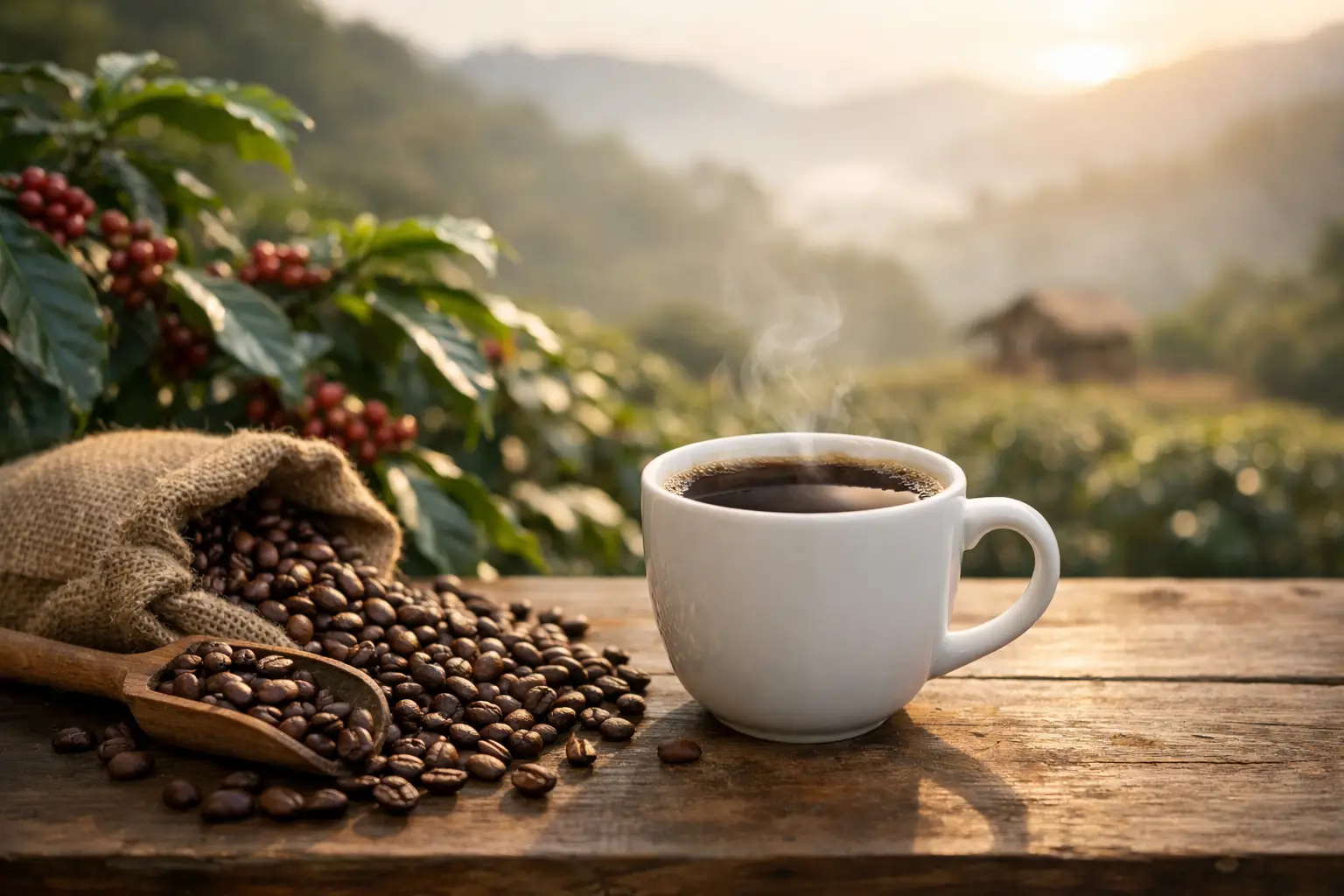
A cup can tell on itself within the first sip. If the flavor feels muddy, overly bitter, or flattened by roast, the bean is usually hiding. If the cup opens with jasmine, citrus, cocoa, or a clean berry finish, the coffee is speaking clearly. That clarity is one reason single origin organic coffee has earned such loyalty among people who want more than caffeine from their daily ritual.
For many coffee drinkers, the appeal starts with taste. But taste is only part of it. Single origin organic coffee brings together traceability, cleaner cultivation, and a more expressive cup. When quality matters and ingredient integrity matters just as much, that combination is hard to ignore.
What single origin organic coffee actually means
Single origin refers to coffee sourced from one specific place rather than blended from multiple farms, regions, or countries. Depending on the producer, that place may be a single farm, a washing station, a cooperative, or a defined growing region. The point is not marketing romance. The point is a more distinct identity in the cup.
Organic refers to the way the coffee is grown and processed under certified standards that avoid synthetic pesticides, herbicides, and fertilizers. In practice, that often aligns with a more careful agricultural approach, especially in high-altitude growing environments where soil health, biodiversity, and slower cherry development influence quality.
Put those together and single origin organic coffee becomes more than a label. It suggests a coffee with a known home and a cleaner path from cultivation to cup.
Why origin matters in the cup
Coffee is an agricultural product, and like any crop, it carries the character of where it was grown. Elevation, rainfall, soil composition, shade, processing method, and varietal all shape flavor. A blend can be beautifully balanced, but it is designed to create consistency. A single origin is designed to reveal identity.
That identity is what many specialty coffee drinkers are chasing. Ethiopian coffees, for example, are often prized for floral aromatics, lively acidity, and layered fruit notes. A washed Yirgacheffe can feel tea-like and precise, while a natural-processed lot from another area may lean jammy and fragrant. Those differences are not minor. They are the reason origin storytelling matters.
Single origin coffee also invites a more attentive kind of drinking. You are not just tasting roast or strength. You are tasting place. For people who appreciate craftsmanship, that makes the cup feel more intentional.
Single origin is not always better than blended
This is where nuance matters. Single origin coffee is not automatically superior to blends in every situation. Blends can create body, sweetness, and consistency that some drinkers prefer, especially for milk-based drinks or espresso with a more classic profile.
What single origin offers is specificity. If you want to taste a region honestly, it is the stronger choice. If you want the same flavor profile every morning with less seasonal variation, a blend may suit you better. The right choice depends on what you value most in the cup.
Why organic matters beyond the label
Organic coffee appeals to many people because it reflects a wider standard of care. For wellness-minded drinkers, that starts with what is not present – synthetic chemical inputs and unnecessary processing. But the real value goes deeper than the absence of certain substances.
Organic cultivation often supports healthier soil and more balanced ecosystems, which can benefit the long-term resilience of the farm. It also tends to attract consumers who care about cleaner habits across the board, from ingredient lists to sweeteners to how beverages fit into daily health routines.
That said, organic does not guarantee extraordinary flavor on its own. Poor picking, careless processing, or imprecise roasting can still produce an average cup. The best coffees combine organic farming with disciplined quality standards at every stage.
Organic and specialty are strongest together
When organic coffee is handled with specialty-level rigor, the result is compelling. Handpicked cherries, careful sorting, altitude-grown density, and precise roasting allow the coffee’s natural character to come forward without distraction. You taste more of the bean itself and less of what has been imposed on it.
For a premium coffee brand, this matters. Drinkers who avoid heavily processed food and beverages usually do not want coffee hidden under syrups, refined sugar, or burnt roast. They want purity they can taste.
The flavor difference people notice first
The most immediate reason many people switch to single origin organic coffee is simple – the cup feels cleaner. That can mean a brighter finish, more defined aroma, less ashy bitterness, or a sweetness that feels natural rather than forced.
A high-quality single origin often delivers separation between flavor notes. Citrus tastes like citrus. Stone fruit tastes like stone fruit. Cocoa tastes rounded rather than charred. That clarity can be subtle or dramatic depending on roast level and brewing method, but once your palate notices it, generic coffee becomes much harder to return to.
Organic lots can also feel more aligned with a cleaner lifestyle because the coffee experience itself is less cluttered. When the bean has enough sweetness and aroma on its own, there is less need to compensate with flavored syrups or excessive sugar.
How roast changes the single origin organic coffee experience
Roast is where many good coffees are either elevated or muted. With single origin organic coffee, roasting should reveal character, not erase it. Too dark, and origin distinctions disappear under smoke and bitterness. Too light, and some coffees can taste thin or overly sharp for certain palates.
A thoughtful medium or light-medium roast often gives the best range for origin clarity while preserving sweetness and structure. This is especially true for high-grown Ethiopian coffees, where floral aromatics and citrus brightness can be remarkable when handled with restraint.
Still, preference matters. Some drinkers want a softer, more chocolate-forward cup and may enjoy a slightly deeper roast. Others want acidity, florals, and lift. There is no single correct profile, only the question of whether the roast respects the bean.
Brewing makes a visible difference
Single origin coffee tends to reward attention. Brew it carelessly, and even excellent beans can taste flat. Brew it with the right grind, water ratio, and temperature, and the cup opens beautifully.
Pour-over methods often highlight delicacy and detail, which makes them a strong match for expressive single origins. French press can bring more body and texture, though it may soften some of the finer notes. Espresso is more selective – some origins shine, while others become intense or less balanced unless the roast and extraction are dialed in carefully.
This is one reason tailored grinding and fresh roasting matter so much. A great coffee should meet the brewing style rather than force the customer to guess.
Why this coffee fits a wellness-driven lifestyle
Wellness in coffee is not just about calories. It is about what kind of daily habit you are building. Single origin organic coffee fits naturally into a more mindful routine because it asks less from the cup and offers more in return.
When coffee is expressive on its own, you can enjoy it with little or no sweetening. When sourcing is transparent, you feel more confident about what you are drinking. When the bean has been grown and roasted with care, the ritual feels less like consumption and more like discernment.
That perspective is part of why premium coffee brands with a purity-focused philosophy stand apart. At Yirga Specialty Coffee, the commitment to organic beans, natural sweetness, and Ethiopian coffee heritage reflects a broader standard – coffee should taste exceptional without relying on shortcuts.
Who single origin organic coffee is best for
This style of coffee is ideal for drinkers who enjoy noticing differences from one harvest or region to another. It also suits people who read labels, care about sourcing, and prefer beverages that feel clean rather than engineered.
It may be less appealing to someone who wants total consistency above all else or who mainly drinks coffee under heavy milk, sweeteners, and flavor additions. In that case, the nuance of origin can get lost. But for anyone looking for a more transparent, refined coffee experience, it is an easy step upward.
The best part is that appreciation tends to grow quickly. Once you taste coffee with a clear sense of place and a cleaner finish, you begin to expect more from every cup. And that is a worthwhile shift – not toward complexity for its own sake, but toward coffee that feels honest, skillfully made, and genuinely satisfying.
