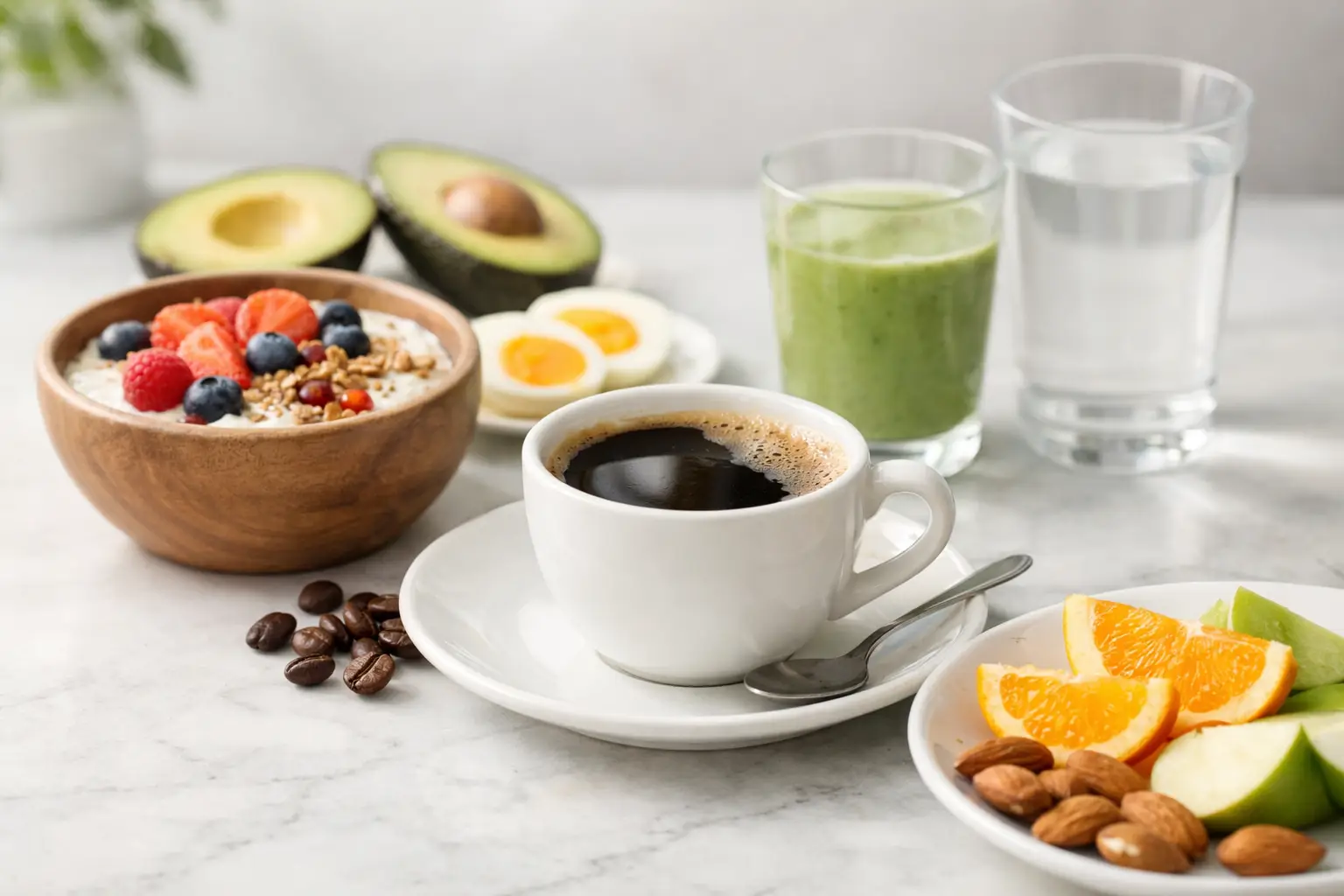
That second cup at 3 p.m. is usually where the question starts. Not whether coffee tastes good – it does – but whether it still belongs in a routine built around better energy, cleaner ingredients, and long-term health. The short answer is yes: can coffee fit a healthy diet? Absolutely. But the answer depends less on coffee itself and more on what happens to it between the bean and the cup.
Pure coffee is remarkably simple. Roasted beans, water, and careful preparation can produce a drink with depth, aroma, and character without requiring heavy syrups, whipped toppings, or refined sugar. For people who care about both wellness and sensory quality, that distinction matters. A well-made cup of specialty coffee is not the same thing as a dessert disguised as a beverage.
Can coffee fit a healthy diet when it stays clean?
In its most natural form, coffee is low in calories and rich in flavor. Black coffee contains virtually no sugar, no significant fat, and very few calories. That makes it easy to include in many eating patterns, from balanced Mediterranean-style diets to higher-protein or lower-sugar approaches.
What often changes the picture is what gets added. Refined sugar, flavored syrups, sweetened creamers, and oversized portions can turn a clean cup into a daily source of excess calories. This is where many people start blaming coffee for problems created by additives.
A healthier coffee routine usually looks elegant rather than restrictive. It favors quality beans with naturally expressive flavor, so less sweetening is needed in the first place. A floral Ethiopian coffee, for example, can bring delicate citrus, jasmine, or fruit notes that make the cup feel complete on its own. When the bean has genuine character, there is less temptation to cover it up.
What coffee can offer beyond caffeine
Coffee is often reduced to its caffeine content, but that is only part of the story. Coffee also contains naturally occurring compounds, including antioxidants, that have made it a frequent subject of nutrition research. While no single food or drink should be treated like a cure-all, moderate coffee consumption is often compatible with a healthy lifestyle.
For many adults, coffee also supports habits that are worth keeping. It can sharpen focus during early meetings, add comfort to a morning routine, and create a satisfying pause without requiring a snack or sugary drink. That ritual matters more than people sometimes admit. A cup prepared with care can support consistency and enjoyment, which are both essential in any sustainable approach to wellness.
That said, more is not always better. If coffee disrupts sleep, triggers jitters, or becomes a substitute for meals and hydration, it stops serving the routine well. Health is not just about what a drink contains. It is also about timing, balance, and how your body responds.
The biggest difference is usually what you add
If your goal is to keep coffee aligned with a healthy diet, start with the add-ins. This is where a smart choice can preserve the purity of the cup, and a careless one can undo it.
Refined sugar is the obvious concern, especially when it becomes automatic. One spoon may not seem like much, but repeated across multiple cups each day, it adds up quickly. The same goes for sweetened syrups, flavored powders, and processed creamers that contribute sweetness without much nutritional value.
There is also the issue of palate conditioning. Very sweet coffee can train your taste buds to expect intensity rather than nuance. Over time, that makes it harder to appreciate the natural flavor spectrum of the bean itself. Lighter floral notes, cocoa depth, citrus brightness, and soft berry character get lost under sugar.
For people who want a more health-conscious cup, the better path is not necessarily deprivation. It is discernment. Natural sweeteners in modest amounts, a splash of milk if it suits your diet, or simply choosing a smoother, better-roasted coffee can create a far more satisfying result than loading the cup with extras.
Can coffee fit a healthy diet if you drink it daily?
For many people, daily coffee is perfectly reasonable. The key question is whether the habit feels supportive or excessive. A daily cup or two that complements meals, hydration, and steady energy is very different from constant caffeine chasing that leaves you overstimulated and undernourished.
A healthy daily rhythm often depends on three things: quantity, timing, and quality. Quantity matters because caffeine tolerance and sensitivity vary widely. One person feels balanced after two cups, while another notices sleep disruption from the same amount. Timing matters because late-day coffee can interfere with rest, and poor sleep can undermine every other wellness goal. Quality matters because clean, carefully sourced coffee offers a purer experience than drinks built around artificial flavoring and heavy sweeteners.
This is where thoughtful sourcing becomes part of the health conversation. Organic beans and careful roasting will not magically make every cup healthy, but they do align with a cleaner, more intentional way of drinking coffee. If you are already paying attention to ingredient integrity in the rest of your diet, it makes sense to apply the same standard to your coffee.
How brewing style changes the experience
Not all coffee drinks affect your diet in the same way. Brewing method changes body, concentration, and what you may feel inclined to add.
A pour-over or brewed filter coffee tends to highlight clarity and delicate flavor notes. These styles often shine without sweeteners, especially when the beans are high quality and freshly ground. Espresso is more concentrated and can feel naturally sweeter when extracted well, which is why many specialty coffee drinkers enjoy it with little or nothing added.
Milk-based drinks sit in a more nuanced category. A cappuccino or latte can still fit a healthy diet, particularly when made with unsweetened milk and no syrup. The issue is not the milk itself. It is the drift toward oversized servings, flavored sauces, and sugar-heavy customizations. A well-made milk drink should still taste like coffee first.
Cold coffee deserves the same scrutiny. Cold brew can be beautifully smooth and easy to drink, but that smoothness sometimes encourages larger servings and sweet add-ons. If you enjoy cold coffee, it is worth checking whether you love the coffee or just the sugar wrapped around it.
When coffee may not fit so well
Coffee is not universally gentle. Some people experience acid sensitivity, digestive discomfort, elevated anxiety, or interrupted sleep. In those cases, the question is not whether coffee is healthy in theory. It is whether it is healthy for you.
This is where personal awareness matters more than rigid rules. You may do well with one cup after breakfast but not with coffee on an empty stomach. You may enjoy espresso but find large drip coffees too much. You may thrive with morning coffee and need to avoid caffeine after noon. These are not signs that coffee is good or bad. They are signs that your body has preferences worth respecting.
Pregnancy, certain medications, and some health conditions can also change what is appropriate. If coffee consistently leaves you feeling worse rather than better, wellness means adjusting the habit, not forcing it.
A healthier coffee mindset starts with taste
One of the simplest ways to make coffee fit a healthy diet is to expect more from the bean. Better coffee does not need as much correction. It offers aroma, sweetness, brightness, and texture on its own.
That is why origin and craftsmanship matter. A carefully sourced Ethiopian coffee, for instance, can deliver vivid character that feels complete without processed additions. The cup becomes less about stimulation and more about experience – clean, layered, and satisfying. For a wellness-minded drinker, that shift is powerful. It replaces excess with intention.
At Yirga, this philosophy is central to the cup itself: organic coffee, no refined sugar, and a flavor profile strong enough to stand with elegance rather than disguise. That is not about making coffee complicated. It is about returning it to what it should have been all along.
If you are trying to build a healthier routine, coffee does not have to be the thing you give up. In many cases, it is the thing you refine. Choose cleaner beans. Let flavor do more of the work. Keep sweetness modest and purposeful. Pay attention to how your body responds, and let quality shape the habit. A good cup of coffee should feel like a pleasure with standards – not a compromise.
