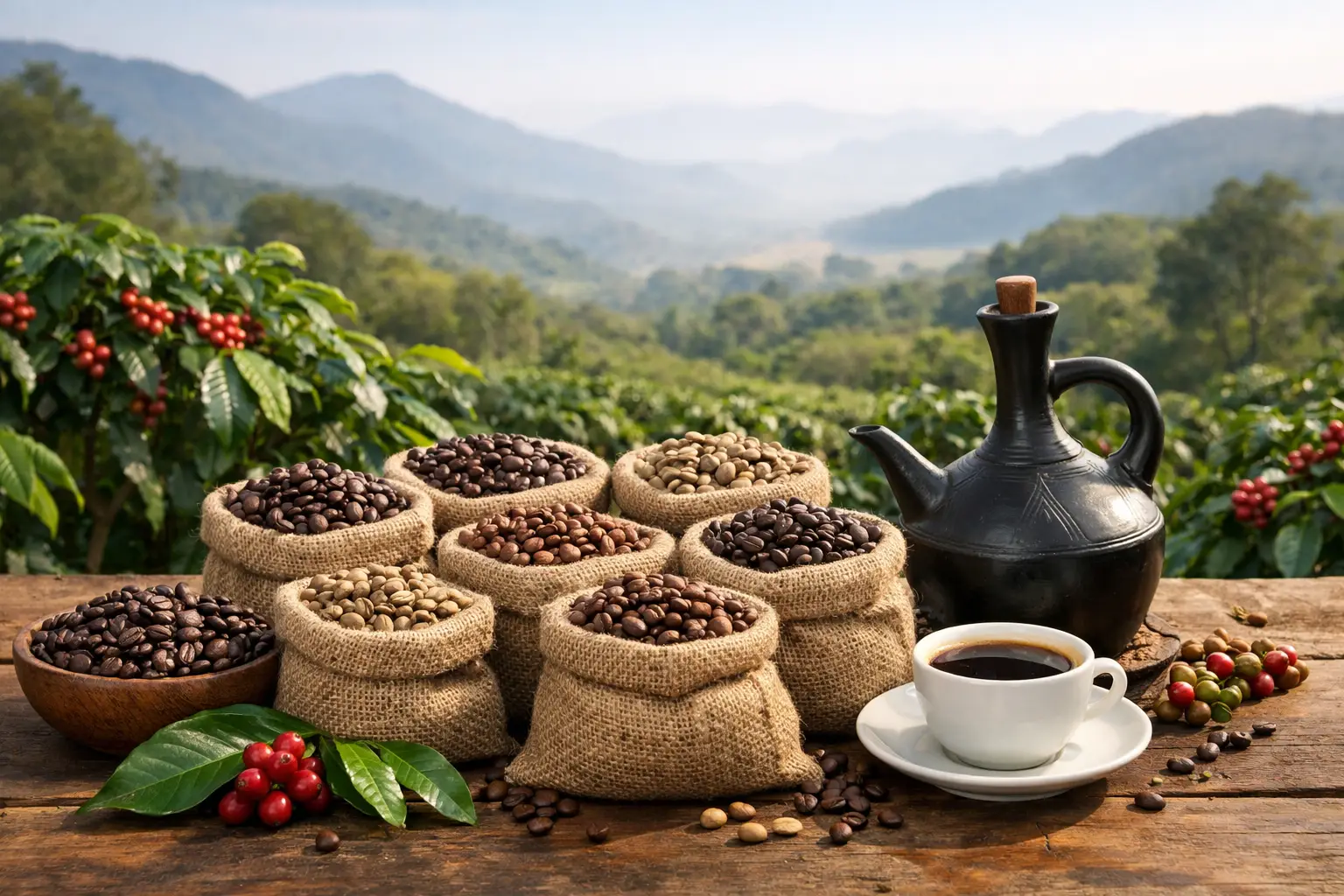
If you have ever tasted an Ethiopian coffee that smelled like jasmine, opened with citrus, and finished with tea-like clarity, you already know why the best Ethiopian coffee bean varieties hold such a special place in specialty coffee. They do not offer one single flavor profile. They offer a spectrum – floral, fruit-forward, chocolate-toned, delicate, wild, and deeply expressive of place.
That range is exactly what makes Ethiopian coffee so rewarding to choose and, at times, a little confusing to buy. Names like Yirgacheffe, Sidama, Guji, Limu, and Harrar are often used as if they describe one fixed taste. In reality, they point to regions, local landraces, processing traditions, altitude, and cup character that can vary beautifully from lot to lot. If you want a cleaner, more intentional coffee experience, understanding those distinctions matters.
What makes Ethiopian coffee varieties so distinctive?
Ethiopia is the birthplace of Arabica, and that heritage still shows in the cup. Many coffees from Ethiopia come from heirloom or locally developed varieties grown at high elevations, often under conditions that preserve complexity rather than force uniformity. That is why Ethiopian coffees can taste more aromatic and layered than standard commercial beans.
Processing also plays a major role. A washed Ethiopian coffee often presents remarkable clarity – think bergamot, white florals, lemon, and soft stone fruit. A natural-processed lot may lean into blueberry, strawberry, ripe tropical fruit, and a fuller, more velvety body. Neither style is better across the board. It depends on whether you want precision and brightness or richness and fruit depth.
For health-conscious coffee drinkers, this matters in another way as well. When a bean has natural sweetness, floral lift, and balanced acidity, it does not need syrups or refined sugar to feel complete. A well-sourced Ethiopian coffee can deliver flavor with purity intact.
Best Ethiopian coffee bean varieties to know
Yirgacheffe
Yirgacheffe is often the first answer when people ask about the best Ethiopian coffee bean varieties, and for good reason. It is celebrated for elegance. In the cup, a good Yirgacheffe can bring jasmine, lemon zest, bergamot, peach, and a silky tea-like finish that feels polished rather than heavy.
Washed Yirgacheffe is especially prized by those who enjoy pour-over, Chemex, and other methods that reward clarity. Natural Yirgacheffe can be more fruit-driven while still keeping a refined structure. If you prefer coffee that feels clean, aromatic, and sophisticated, this is usually the place to start.
Sidama
Sidama, sometimes written as Sidamo in older coffee trade usage, offers tremendous range. It can be citrusy and floral like Yirgacheffe, but often with a rounder body and sweeter core. Expect notes that may include tangerine, berries, honey, and gentle spice depending on the producer and process.
Sidama is a strong choice if you want Ethiopian character without an extremely delicate profile. It bridges brightness and comfort well. That makes it versatile for both black coffee drinkers and those who add a small amount of milk but still want the bean’s identity to shine through.
Guji
Guji has become a favorite among specialty coffee drinkers who love vivid fruit and modern cup profiles. Coffees from Guji can be intensely aromatic with flavors such as peach, mango, blueberry, lavender, and cacao. They often feel dynamic and expressive, especially in natural processing.
Guji is ideal for adventurous drinkers, but it is not only about intensity. The best lots keep their fruit character balanced with structure and sweetness. When roasted with care, Guji can be luxurious without becoming jammy or overwhelming.
Limu
Limu deserves more attention than it usually gets. This region often produces coffees with a softer, sweeter profile – floral notes, mild citrus, cocoa, and a rounded body. Compared with the brighter sparkle of Yirgacheffe or the fruit-forward energy of Guji, Limu can feel composed and understated.
That makes it a smart option for people who want Ethiopian origin character in a more grounded, everyday cup. It is also a good entry point for someone transitioning from chocolate-forward Latin American coffees into East African profiles.
Harrar
Harrar is one of the most distinctive names in Ethiopian coffee. Traditionally associated with dry processing, it is known for heavier body and bolder fruit notes. You may find blueberry, dried fruit, dark chocolate, and earthy spice in the cup.
Harrar is not always as pristine or floral as washed southern coffees, and that is exactly why some people love it. It offers depth, texture, and a wilder personality. For espresso drinkers or those who enjoy a more dramatic cup, Harrar can be remarkably satisfying.
Djimmah
Djimmah, also spelled Jimma or Jima depending on context, has historically had a mixed reputation because quality can vary widely. At its best, though, it can produce approachable coffees with notes of cocoa, spice, dried fruit, and a fuller body.
This is not usually the region people mention first when discussing premium Ethiopian coffee, but careful sourcing changes the conversation. A well-selected Djimmah lot can suit drinkers who prefer less acidity and more warmth in the cup.
Lekempti
Lekempti coffees often carry floral aromas with earthy, fruity, and sometimes wine-like notes. They can show a pleasant balance between brightness and rustic depth, especially in natural lots. In some cups, you may notice citrus and soft berry; in others, you may find heavier spice and cocoa.
Lekempti is a good reminder that Ethiopian coffee is not one flavor story. It can be elegant, but it can also be textured and bold. If you appreciate nuance and do not mind some variation, it is a region worth exploring.
How to choose the right Ethiopian coffee for your taste
If you love a clean cup with perfume-like aromatics, choose Yirgacheffe or a washed Sidama. If you want fruit-forward sweetness and more sensory drama, Guji and Harrar are strong candidates. If your preference leans toward cocoa, softer acidity, and a more grounding daily cup, Limu or select Djimmah lots may suit you better.
Roast level matters too. A light to medium roast usually preserves the floral and citrus qualities that make Ethiopian coffees so recognizable. A darker roast can mute those details and push the cup toward generic roast flavor. That is not always a flaw, but if you are buying Ethiopian coffee for origin character, roasting should support the bean rather than cover it.
Brewing method also changes the experience. Pour-over tends to highlight delicacy, acidity, and layered aroma. French press can emphasize body and fruit depth. Espresso works beautifully with some Ethiopian coffees, especially naturals, but it is less forgiving. A bright washed lot can taste exquisite as espresso in the right hands or overly sharp if the extraction is off.
Washed vs natural processing in Ethiopian coffee
When discussing the best Ethiopian coffee bean varieties, processing deserves as much attention as origin. A washed Yirgacheffe and a natural Yirgacheffe can taste like close relatives with very different personalities.
Washed coffees usually feel crisp, transparent, and articulate. Their floral notes are often more defined, and the acidity tends to read as citrus or tea-like brightness. Natural coffees, by contrast, tend to be sweeter, heavier, and more fruit-driven. Berry notes become more pronounced, and the finish can feel richer.
For some drinkers, washed coffees are the purest expression of terroir. For others, natural processing delivers the most memorable cup. It depends on whether you want precision or lushness. Both can be exceptional when the coffee is handled with skill.
Why origin integrity matters more than the label alone
A bag marked Yirgacheffe is not automatically superior to one marked Guji or Sidama. Region is meaningful, but quality lives in the details – elevation, picking standards, processing discipline, storage, and roasting. The best Ethiopian coffees are not just from famous places. They are carefully sourced and thoughtfully prepared from farm to cup.
That is where a specialty-focused roaster or coffee curator makes a real difference. Brands that value organic cultivation, clean handling, and roast precision tend to preserve the bean’s natural sweetness and complexity instead of masking it. For drinkers who care about wellness and ingredient integrity, that approach is not a luxury. It is part of the flavor.
A truly beautiful Ethiopian coffee does not need embellishment. It offers florals instead of artificial fragrance, fruit instead of syrupy sweetness, and depth without heaviness. Once you know how Yirgacheffe differs from Guji, or why Limu feels calmer than Harrar, choosing becomes less about chasing hype and more about finding the cup that feels right for your palate. Start with one region that matches how you like to drink coffee, then let your taste lead you further.
