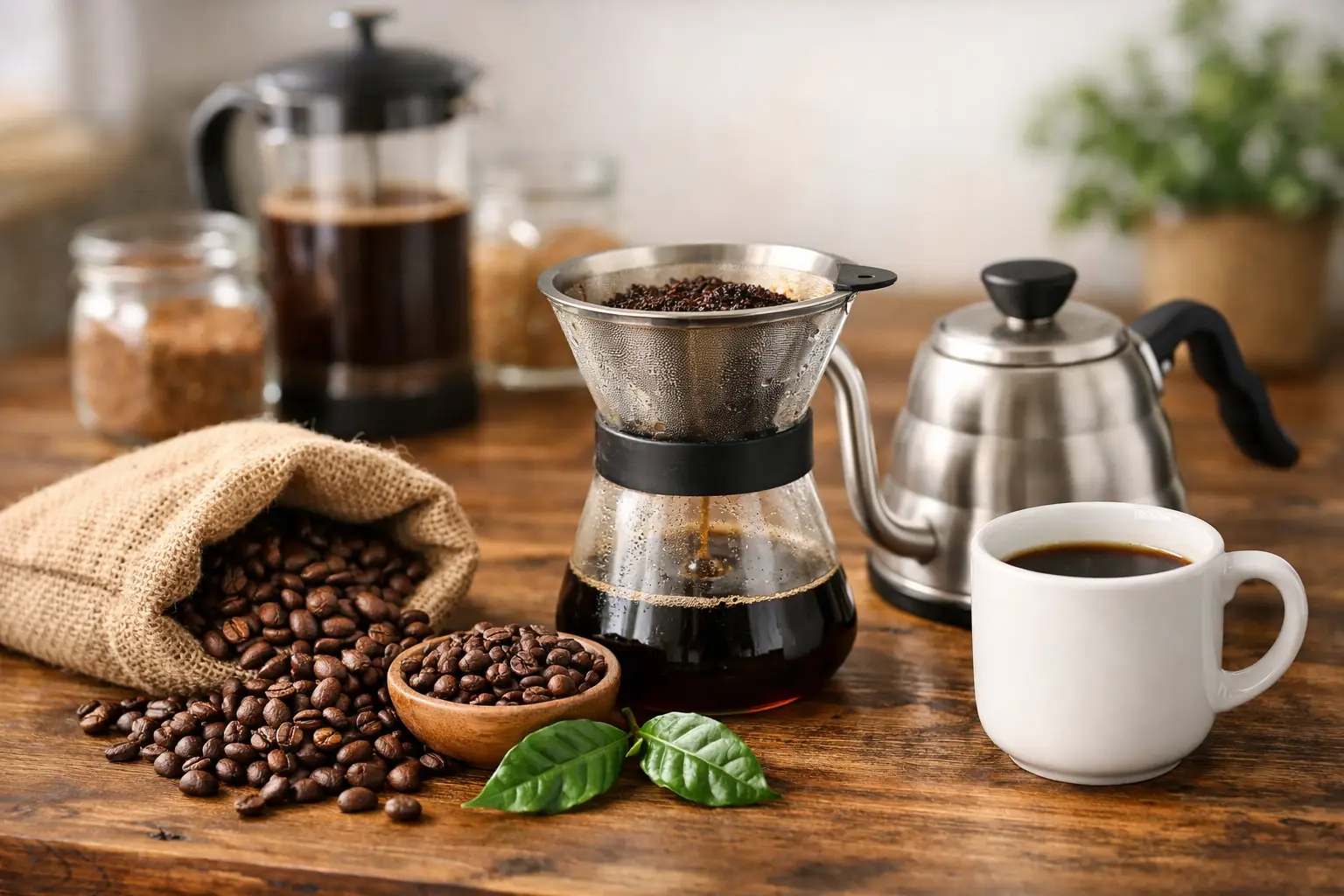
The difference between a forgettable cup and one you look forward to every morning often starts long before the kettle boils. If you are searching for the best organic coffee for home brewing, the real question is not simply which bag to buy. It is which coffee delivers purity, flavor, and consistency in a way that matches how you actually brew at home.
Organic coffee appeals to many people for good reason. It offers a cleaner approach to daily coffee, one that aligns with a more thoughtful lifestyle and a higher standard for what goes into your cup. But organic alone is not a guarantee of excellence. The best coffees pair certified clean growing practices with strong origin character, careful roasting, and a profile that suits your preferred brew method.
What makes the best organic coffee for home brewing?
At home, coffee has nowhere to hide. There is no flavored syrup, whipped topping, or commercial machine masking weak beans or careless roasting. That is why the best organic coffee for home brewing should do four things well: taste expressive on its own, brew consistently, stay true to its origin, and feel clean rather than harsh.
A great organic coffee usually begins with strong agricultural discipline. Beans grown without synthetic pesticides or unnecessary chemical inputs often appeal to health-conscious drinkers who want ingredient integrity, not just caffeine. But the cup quality still depends on altitude, varietal, processing, and freshness. An organic coffee from a respected highland region will usually have more clarity and nuance than a generic blend with little traceability.
The roast matters just as much. If it is too dark, the distinct character of the bean can disappear under smoke and bitterness. If it is too light for your brewing setup, you may get a cup that feels thin or overly sharp. The sweet spot for many home brewers is a roast that preserves the bean’s natural flavor while still extracting comfortably with common methods like pour-over, French press, drip, or espresso.
Origin matters more than most people think
When people talk about premium organic coffee, origin is often what separates a pleasant cup from a memorable one. Coffee carries the signature of where it was grown, and that identity becomes even more vivid when the beans are handled with care.
Ethiopian coffees, especially those from Yirgacheffe, are prized for their floral aroma, citrus brightness, tea-like elegance, and layered sweetness. For home brewing, this can be a beautiful choice if you enjoy clarity and fragrance in the cup. A washed Ethiopian organic coffee often performs especially well as a pour-over, where delicate notes have room to shine.
Latin American coffees tend to offer a different style. They often bring chocolate, nut, caramel, and gentle fruit, which makes them approachable and versatile for drip machines and French press. If your goal is an easy daily cup with broad appeal, an organic coffee from Colombia, Peru, or Guatemala can be a very reliable choice.
Then there are blends. A blend is not automatically lower quality. In fact, a well-built organic blend can be the smartest option for households that use more than one brew method. It can offer body for milk drinks, balance for drip coffee, and enough sweetness to drink black. The trade-off is that blends may be less expressive than a standout single origin.
How roast level shapes your cup at home
Many people look for the best organic coffee and stop at the label, but roast level is what determines whether that coffee feels alive in the cup or merely acceptable.
Light to medium roasts are often ideal if you want to taste the bean’s natural character. Floral, berry, citrus, and stone fruit notes come through more clearly here. These roasts tend to suit pour-over and AeroPress particularly well, especially if you enjoy a brighter, more nuanced cup.
Medium roasts are the most flexible choice for many homes. They preserve origin flavor while adding enough development for sweetness, balance, and body. If you use a standard drip machine or move between black coffee and milk-based drinks, this is often the safest place to start.
Dark roasts can still be organic and high quality, but they require more caution. Some drinkers love their bold, smoky depth. Others find that dark roasting flattens the coffee’s origin and creates bitterness that lingers. If you brew with milk and want a stronger profile, a darker organic roast can work well. If you are chasing complexity and elegance, a lighter roast is usually a better fit.
Choosing coffee by brew method
The best coffee for your home is the one that suits the way you brew most often. This sounds obvious, yet many people buy by description alone and end up disappointed.
Best organic coffee for pour-over
Pour-over rewards precision and reveals detail. Look for organic single origins with a light to medium roast and clear tasting notes such as jasmine, bergamot, lemon, peach, or honey. Ethiopian coffees are especially compelling here because their aromatics stay vivid and refined. A washed process often produces the cleanest expression.
Best organic coffee for French press
French press favors body and texture. Medium or medium-dark organic coffees with chocolate, spice, or ripe fruit tend to perform beautifully. Natural processed coffees can also work well if you enjoy a fuller, more fruit-forward cup. Just keep in mind that French press amplifies sediment and oils, so clarity will be lower than in pour-over.
Best organic coffee for drip machines
For automatic drip, balance matters more than extremes. A medium roast organic coffee with sweetness, moderate acidity, and a round finish is usually the best match. This is where many high-quality blends earn their place. You want a coffee that stays dependable across busy mornings, not one that requires constant adjustment.
Best organic coffee for espresso
Espresso is less forgiving. Look for organic coffee with enough sweetness and body to hold up under pressure. Medium to medium-dark roasts often work best, especially when they offer cocoa, caramel, berry, or deep fruit notes. If you drink cappuccinos or lattes, a coffee with a dense, syrupy structure will feel more satisfying.
Freshness, grind, and packaging are part of quality
A beautiful organic coffee can still disappoint if it is stale or poorly ground. Freshness matters because coffee loses its aromatic richness over time, even when the beans were exceptional at roast.
Whole beans are almost always the better choice for home brewing. Grinding just before brewing preserves fragrance, sweetness, and complexity. If you need pre-ground coffee, choose one prepared specifically for your brew method. A fine espresso grind and a coarse French press grind are not interchangeable, and using the wrong one can make even premium beans taste dull or over-extracted.
Packaging also tells you a lot. Look for a roast date rather than only an expiration date. A one-way valve bag is another good sign, as it helps maintain freshness while letting gas escape after roasting. These details may seem small, but they often separate carefully crafted coffee from mass-market coffee sold on image alone.
Clean flavor means more than low bitterness
For many modern coffee drinkers, especially those who value wellness, clean flavor is one of the main reasons to choose organic coffee. Clean does not mean weak. It means the cup tastes intentional. Sweetness should feel natural, acidity should feel bright rather than aggressive, and the finish should leave the palate refreshed instead of coated.
This is one reason Ethiopian coffees continue to stand out in premium organic selections. Their best expressions offer delicacy without losing depth. At Yirga Specialty Coffee, that philosophy is central: coffee should feel pure, expressive, and complete on its own.
That said, taste remains personal. Some people want a vivid floral cup with sparkling acidity. Others want a grounded, chocolate-rich brew that pairs easily with breakfast. The best organic coffee for home brewing depends on whether you value brightness, body, sweetness, or versatility most.
How to buy with more confidence
If you are comparing options, start with three checkpoints: origin, roast, and intended brew method. Then read tasting notes with realism. A coffee described as blueberry and jasmine will not taste like juice or perfume. Those notes are subtle cues, not flavor additives.
It also helps to buy smaller quantities when trying a new coffee. Fresh beans are at their best within a relatively short window, and testing smaller bags lets you refine your preferences without waste. If you find a coffee that works for your setup, consistency becomes part of the pleasure.
Organic coffee is at its best when it respects both the bean and the person drinking it. That means clean sourcing, thoughtful roasting, and a cup that feels as good as it tastes. When you choose with care, home brewing stops feeling routine and starts becoming one of the most rewarding parts of the day.
