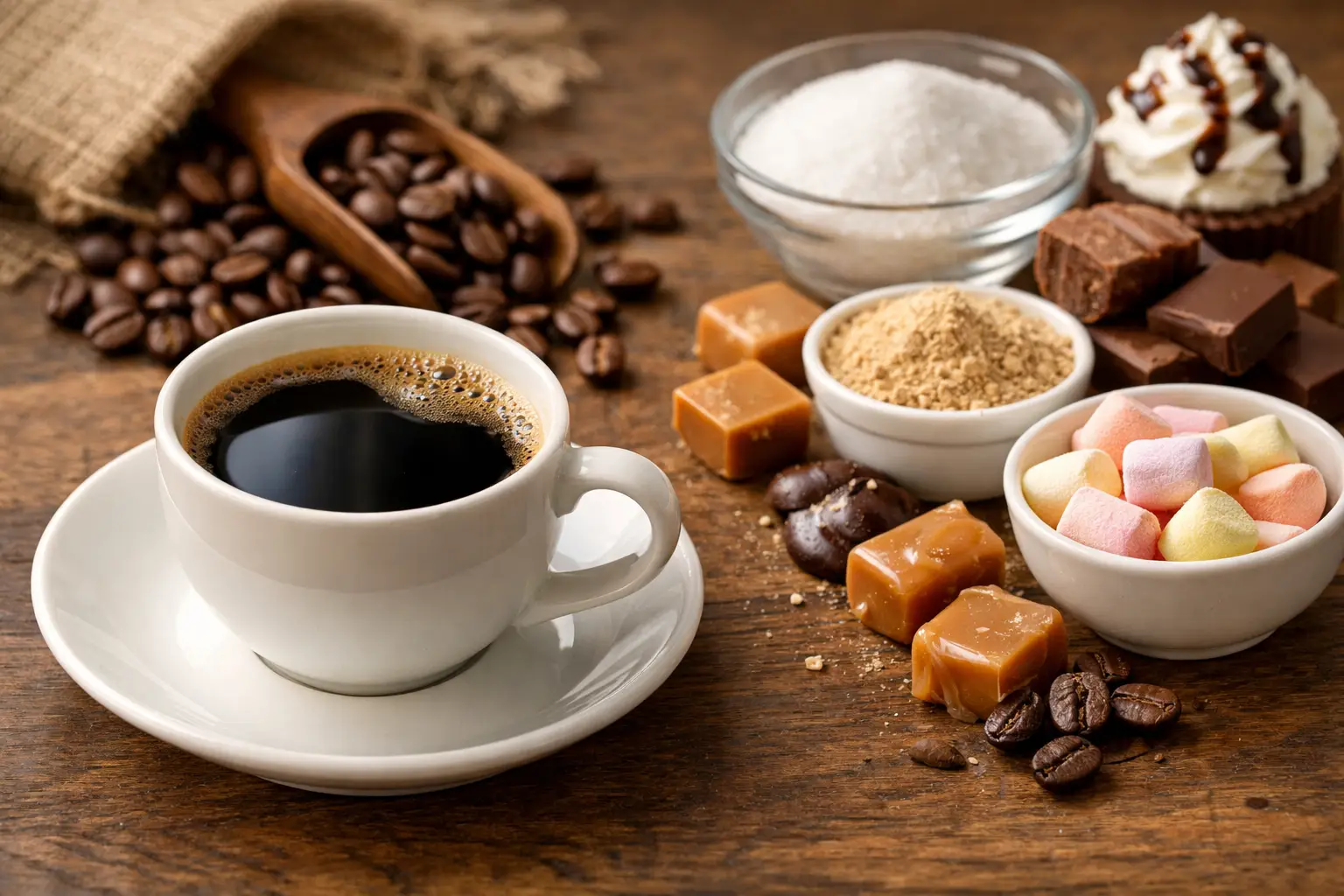
The difference is easy to taste once you know what to look for. A cup of coffee without processed additives feels cleaner on the palate, more precise in aroma, and far less heavy than the sugary, syrup-driven drinks that have come to define modern café culture. Instead of masking the bean, it lets the coffee speak with clarity – floral, citrusy, chocolatey, or deep and spiced, depending on origin and roast.
For people who care about what goes into their body, that difference matters just as much as flavor. Coffee can be a daily ritual that supports wellness, or it can quietly become a dessert in disguise. The line between the two often comes down to additives: refined sugar, artificial flavorings, thick sauces, powdered creamers, and shelf-stable syrups designed for consistency rather than purity.
What coffee without processed additives really means
At its simplest, coffee without processed additives is coffee made from quality beans and prepared without industrial extras that alter its natural profile. That usually means no refined sugar, no artificial sweeteners, no flavored syrups, no powdered mixes, and no heavily engineered creamers packed with stabilizers and emulsifiers.
This does not mean coffee has to be austere or joyless. It means sweetness, body, and complexity come from more thoughtful sources. A naturally processed Ethiopian coffee may bring notes of berry and honey. A carefully roasted blend can offer cocoa richness without needing chocolate syrup. Even when a customer prefers a sweeter cup, natural sweeteners can create balance without turning the drink into something unrecognizable.
That distinction is worth making because “clean” coffee is not just black coffee. It is coffee where every addition is intentional, minimal, and aligned with taste rather than disguise.
Why processed additives became so common
Mainstream coffee chains built their menus around predictability. Syrups, sauces, and pre-mixed powders make it easier to standardize flavor across locations, train staff quickly, and cater to customers who may not actually enjoy the taste of coffee on its own.
There is a business logic behind that approach, but it comes with a cost. The more additives a drink contains, the less the bean matters. Origin becomes less relevant. Roast nuance disappears. Brewing precision matters less when vanilla syrup, caramel sauce, and whipped toppings dominate the cup.
For specialty coffee drinkers, this is the central trade-off. Additive-heavy drinks are familiar and intensely sweet, but they flatten the character that makes premium coffee worth seeking out in the first place.
The flavor advantage of coffee without processed additives
A high-quality coffee already contains remarkable sensory detail. Depending on the bean and how it is roasted, you might notice jasmine, stone fruit, citrus peel, raw sugar, toasted nuts, or dark cacao. Those notes are not marketing inventions. They are natural expressions of origin, altitude, variety, and craft.
When coffee is buried under processed additives, those details disappear. Everything starts to taste like the same template: sweet, thick, and vaguely flavored. The drink may still be pleasurable, but it is no longer a true coffee experience.
Coffee without processed additives restores contrast. Acidity feels brighter. Sweetness feels more delicate. The finish is cleaner. This is especially true with coffees from regions known for elegance and aromatic lift, such as Ethiopian highlands, where washed and natural lots can offer exceptional complexity.
That does not mean every coffee should be served black. Milk can soften acidity and highlight chocolate notes beautifully. A touch of natural sweetener can round out a sharper brew. The point is proportion. Additions should support the coffee, not replace it.
A wellness choice, not just a taste preference
Many people first look for coffee without processed additives because they want a healthier routine. That instinct makes sense. Daily coffee habits add up quickly, and drinks loaded with refined sugar and artificial ingredients can become a regular source of excess calories and energy spikes.
A cleaner coffee approach often feels different throughout the day. Instead of the sharp rise and crash that can follow very sweet drinks, the experience is usually steadier. You get the alertness of coffee itself without layering on a large sugar load.
Of course, wellness is personal. Some people tolerate dairy well, others do not. Some want a little sweetness, others prefer none. The goal is not rigid purity for its own sake. The goal is to build a cup that feels good to drink and easy to return to every day.
For many health-conscious professionals and café regulars, that means choosing beverages with fewer ingredients, recognizable ingredients, and better ingredients. In that context, cleaner coffee is less about restriction and more about trust.
What to look for in a truly clean cup
Not every café that uses the word natural is actually serving a clean product. The real indicators are more practical.
Start with the beans. Organic or carefully sourced specialty beans are usually a stronger foundation because the business is already paying attention to quality at origin. Handpicked lots, thoughtful roasting, and proper grinding all matter more than clever branding.
Next, look at what the café adds. If sweetness comes primarily from refined syrups and flavored powders, the cup is being engineered. If the menu relies on simple ingredients and allows the coffee profile to remain present, that is a better sign.
Transparency is another clue. Businesses committed to purity tend to speak clearly about bean origin, roast style, brew method, and ingredients. They do not need to hide the drink behind flashy names or dessert-like presentation.
Coffee without processed additives at home
This style of coffee is not limited to specialty cafés. It can be part of your home routine with a few good decisions.
The first is buying better beans. Freshly roasted coffee with clear origin character gives you more natural sweetness from the start. Low-quality beans often push people toward sugar because bitterness dominates the cup.
The second is dialing in your brew. Water temperature, grind size, and brew time all affect flavor. Over-extracted coffee tastes harsh, which leads many people to fix the result with cream and sweeteners. A better brew often needs less correction.
The third is rethinking sweetness. If you want a softer, rounder cup, start small. A modest amount of natural sweetener is very different from building a drink around processed syrups. The same goes for milk choices. Use them to complement texture and flavor, not to bury them.
There is also value in trying different roast levels before assuming you need additives. Some drinkers who dislike dark, bitter coffee are surprised by how approachable a well-roasted medium or light roast can be.
Why origin matters more when additives are gone
When nothing artificial is covering the cup, origin becomes vivid. You can taste the environment the coffee came from – climate, elevation, soil, processing tradition, and variety. This is where heritage and craftsmanship move from abstract ideas into the actual experience of drinking.
Ethiopian coffee is a strong example. In a clean preparation, it can show remarkable aromatic brightness and layered fruit or floral notes that would disappear under processed flavorings. That is one reason origin-driven coffee resonates so strongly with people seeking authenticity. It offers not just caffeine, but character.
For brands rooted in heritage, this matters deeply. A coffee program built on purity gives the bean room to tell its story honestly. That story is not decoration. It is part of the value.
The trade-off some drinkers notice
There is one adjustment worth acknowledging. If you are used to very sweet café drinks, coffee without processed additives may seem lighter at first. The sweetness is subtler. The texture may be less dessert-like. The flavors ask for a bit more attention.
That is not a flaw. It is a recalibration of taste. After a short time, many people find that heavily processed drinks feel excessive, while cleaner coffee starts to taste more complete and refined.
Still, preference is personal. Some drinkers genuinely enjoy an occasional indulgent beverage, and there is room for that. The better question is what you want your everyday cup to do. If the answer is energize you, satisfy you, and reflect higher standards, a cleaner approach makes sense.
A premium coffee experience should not need to hide behind syrups. When the bean is carefully grown, thoughtfully roasted, and prepared with restraint, the cup carries its own sweetness, its own aroma, and its own confidence. That is what makes coffee worth coming back to – not because it tastes louder, but because it tastes true.
