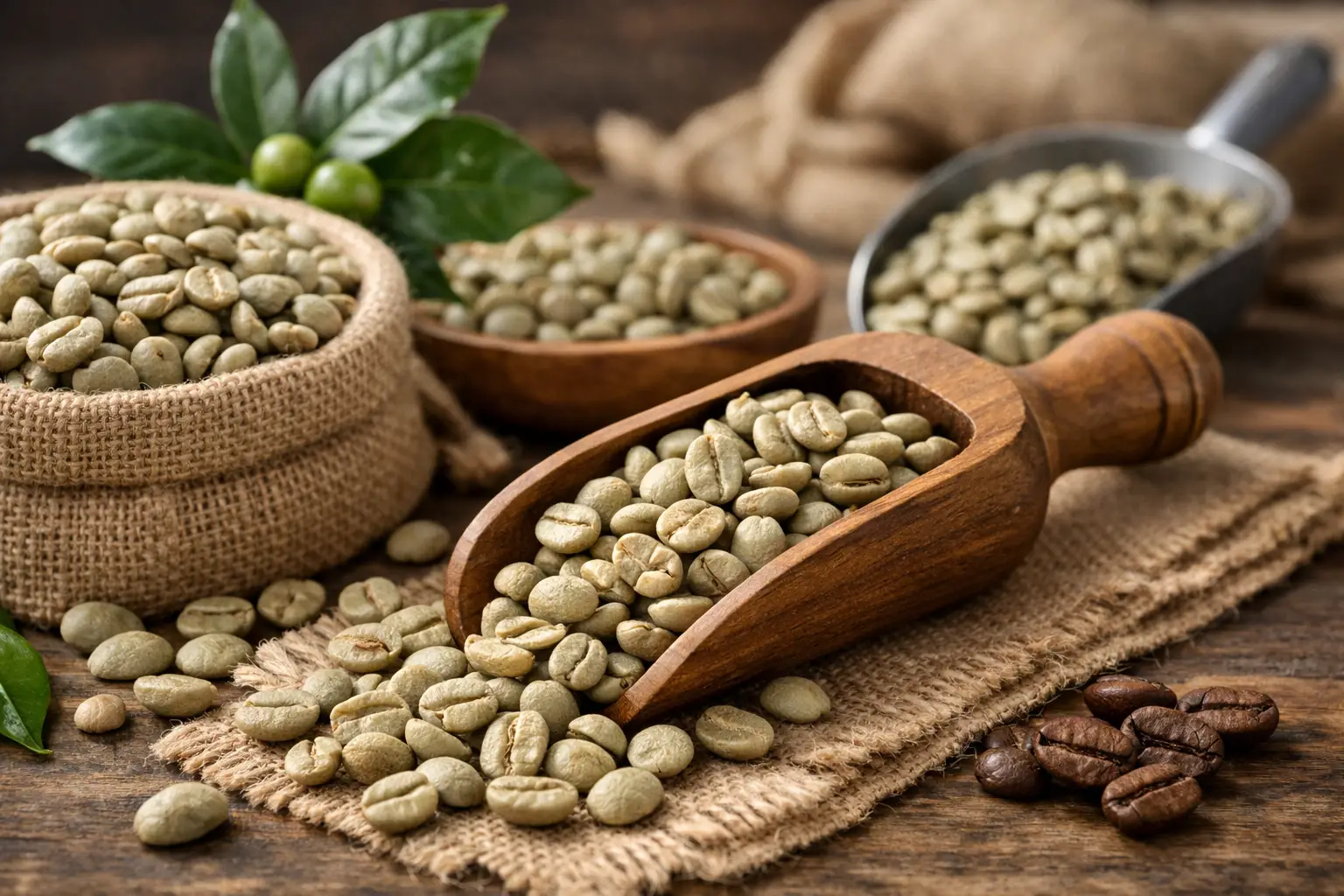
Buying unroasted coffee sounds simple until you are standing in front of a long list of green coffee beans for sale and every option claims to be premium. At that point, the real question is not just what is available. It is what is worth bringing home if you care about purity, flavor, and a coffee experience that feels intentional from the very first roast.
Green coffee beans appeal to a different kind of buyer. Some want more control over roasting. Some are drawn to origin and freshness. Others are looking for a cleaner coffee ritual, one that begins with whole, untouched beans rather than heavily processed blends. Whatever brings you to green coffee, the quality of the raw bean matters more than any marketing language around it.
What to look for in green coffee beans for sale
The best green coffee is defined before it ever reaches a grinder. It starts at origin, with altitude, varietal, harvest timing, and careful handling after picking. A beautiful roast cannot rescue poor raw material. If the green beans were rushed through drying, stored badly, or sourced without care, those flaws tend to show up clearly in the cup.
When you browse green coffee beans for sale, begin with origin details. A seller should be able to tell you where the beans were grown, ideally down to region and sometimes even washing station or farm. That information is not decoration. It tells you a lot about likely flavor structure. Ethiopian coffees, especially high-grown lots, are often prized for their floral aromatics, citrus brightness, and layered sweetness. Other origins may lean nuttier, chocolatier, or earthier.
Variety matters too, although it should be read alongside origin and process. Arabica is generally the first choice for nuanced flavor and aromatic complexity. Robusta has its place, especially for body, crema, and intensity, but it usually offers a very different profile. If your goal is refined flavor and a cleaner, more expressive cup, organic Arabica green coffee is often the better starting point.
Then look at processing method. Washed coffees tend to taste cleaner and more precise. Natural coffees often show more fruit character and heavier sweetness. Honey-processed lots can sit somewhere in between. None is automatically better. It depends on what you want from the cup and how comfortable you are managing roast development. Naturals can be stunning, but they also demand attention because their sugars and fruit character can become uneven if roasted carelessly.
Freshness is different with green coffee
People often talk about roasted coffee freshness, but green coffee has its own timeline. Properly stored green beans can remain stable longer than roasted beans, yet that does not mean age is irrelevant. Fresh-crop coffee usually offers more vibrancy and aromatic life, while old-crop lots can flatten out, lose sweetness, or taste woody.
This is where transparency becomes valuable. A quality-focused seller should know harvest timing and storage conditions. Green coffee needs protection from moisture, heat, and odor absorption. If beans have been sitting in poor storage or moving through too many uncontrolled environments, the cup will reflect it.
Visually, the beans should look consistent in size and color, with minimal damage. A few natural variations are expected, especially in small-lot coffee, but widespread defects are a warning sign. Broken beans, insect damage, black beans, or excessive chaff suggest weaker sorting standards. Good green coffee should feel like an agricultural product handled with respect.
Why organic sourcing matters
For many buyers, green coffee is not only about roasting at home. It is also about ingredient integrity. If you care about what goes into your body, raw coffee quality deserves the same scrutiny you would give produce, tea, or any daily staple.
Organic sourcing matters because coffee is an agricultural crop shaped by farming practices. Beans grown with greater care and fewer chemical inputs support a cleaner coffee experience from the start. That does not mean every organic coffee tastes superior by default, but when organic standards are paired with specialty-grade selection, the result is often more aligned with wellness-minded coffee drinking.
This is especially relevant if you prefer coffee without syrups, artificial flavoring, or heavy processing. Starting with pure, high-quality green beans gives you control over what comes next. You decide the roast expression, the brew style, and what, if anything, is added to the cup.
How origin affects the cup
Not all green coffee should be judged by the same expectations. Origin shapes character in ways that are both obvious and subtle. Climate, elevation, soil, and local processing traditions leave a clear imprint.
Ethiopian coffee remains one of the most compelling examples. High-altitude Ethiopian beans, especially from regions associated with Yirgacheffe, are known for a graceful balance of floral notes, tea-like texture, and bright fruit. That profile appeals to buyers who want elegance rather than heaviness. It also makes these beans a rewarding choice for lighter roast styles, where origin character stays vivid.
By contrast, if you prefer a deeper, fuller profile for espresso or milk-based drinks, you may gravitate toward beans with more chocolate, spice, or body. There is no universal best origin. There is only a better fit for your taste and your roasting goals.
That is why broad claims like premium or gourmet are less helpful than specific sensory guidance. A thoughtful seller should help you understand whether a bean is delicate, syrupy, structured, fruit-forward, or comfortingly classic. Precision is a sign of confidence.
Buying for roasting at home or for business
The right green coffee depends partly on what you plan to do with it. If you are roasting at home, consistency and forgiveness matter. Some coffees are easier to roast well than others. Dense, high-grown beans can produce exceptional flavor, but they may require more attention to heat application and development time. A more approachable lot may give you a wider margin for error while still tasting excellent.
If you are buying for a café, office program, or small hospitality setup, you may think more in terms of repeatability. Can you source the same quality regularly? Will the bean perform well across multiple roast batches? Does the flavor stay appealing to your audience, not just interesting to a trained palate?
This is where direct relationships and careful curation become valuable. At Yirga Specialty Coffee, the emphasis on organic sourcing, Ethiopian heritage, and purity-led quality standards reflects what many serious buyers are looking for now – coffee that tastes elevated but still feels clean, honest, and grounded in real craftsmanship.
Questions worth asking before you buy
A strong green coffee listing should answer practical questions without hiding behind vague language. You want to know the country and region, variety, process, crop year, and whether the beans are organic. It also helps to know the intended flavor profile and whether the coffee is best suited for filter brewing, espresso roasting, or general versatility.
If those details are missing, ask. Sellers who truly understand their coffee are usually happy to talk about it clearly. Sellers who rely on generic descriptions often reveal very little because there is very little to reveal.
Price also deserves a realistic view. The cheapest green coffee is rarely the best value if it roasts unevenly or cups flat. On the other hand, a very high price does not automatically mean the coffee is exceptional for your needs. Some lots carry premium pricing because they are rare or fashionable, not because they are the most satisfying everyday choice. Good buying is about fit, not hype.
A final word on choosing well
The best green coffee beans are the ones that let the cup feel pure before it feels impressive. Look for transparency, careful sourcing, and flavor that reflects where the coffee came from rather than how loudly it is marketed. When the raw bean is exceptional, every step after that becomes more meaningful – and every cup has a better chance of tasting like it was worth the effort.
