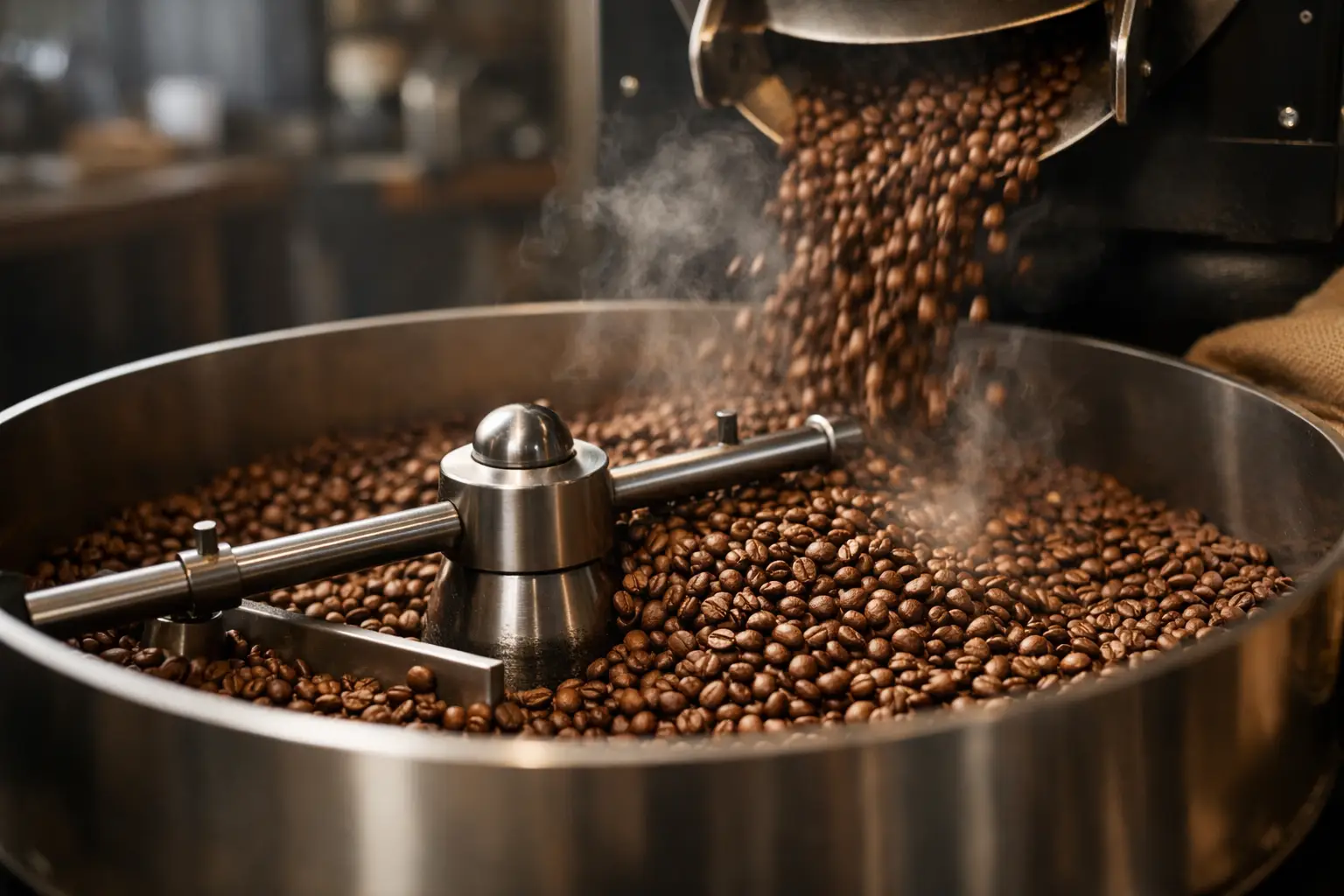
A coffee can start with beautiful promise – high-altitude sweetness, floral aromatics, citrus brightness, a clean finish – and still lose its identity in the roaster. That is why coffee roasting for flavor preservation matters so much. Roasting does not create quality from nothing. It reveals what is already in the bean, and if handled without care, it can just as easily mute the very character that made the coffee special.
For anyone who values a pure, health-conscious cup, flavor preservation is not a technical luxury. It is the difference between tasting origin and tasting roast. In exceptional coffees, especially expressive Ethiopian lots, the goal is rarely to roast darker for impact alone. It is to protect sweetness, maintain clarity, and let the cup remain honest to where it came from.
What flavor preservation really means in roasting
Flavor preservation is often misunderstood as simply roasting lighter. Sometimes a lighter roast does preserve more origin detail, but that is only part of the picture. A roast can be light and still taste grassy, hollow, or underdeveloped. It can also be medium and still hold remarkable floral character, fruit, and softness if the roast was guided well.
In practical terms, preserving flavor means managing heat so the bean develops enough to become soluble, sweet, and aromatic without pushing it so far that smoke, carbon, or flat bitterness take over. It means keeping the cup vivid rather than generic.
This is especially important for organic specialty coffee. When the raw material is clean, carefully harvested, and grown at altitude, there is more delicate structure worth protecting. The natural sugars, acids, and aromatic compounds inside the bean respond to heat in stages. Roasting is the art of choosing how far each stage should go.
Coffee roasting for flavor preservation starts before first crack
The work begins well before the roast reaches its audible milestones. Green coffee density, moisture content, processing method, and screen size all shape how heat should be applied.
A washed Yirgacheffe, for example, often carries jasmine-like aromatics, tea-like body, and citrus detail. Those qualities are elegant, not loud. If the roast begins too aggressively, the exterior can move faster than the interior, creating a coffee that looks acceptable but tastes blurred. A gentler early approach usually gives the internal structure time to warm evenly, which helps preserve clarity later in the cup.
Natural coffees ask different questions. Their fruit can be generous and sweet, but it can also become heavy if too much heat is forced too early or too late. Preserving flavor there means keeping enough energy for development while avoiding roast notes that smother berry, cocoa, or tropical character.
This is where experience matters. Good roasters are not simply following a fixed formula. They are reading the bean and adjusting airflow, gas, drum speed, and timing with intention.
The role of rate of rise and heat control
One of the clearest markers of a thoughtful roast is controlled momentum. If heat rises too sharply, aromatic complexity is often the first thing to disappear. If the roast stalls, sweetness can flatten and acidity can feel dull.
A steady decline in roast energy, rather than sudden spikes or crashes, tends to support flavor preservation. It allows the coffee to build sweetness gradually while keeping its structure intact. The cup often tastes more transparent when the roast has this kind of balance.
That does not mean every coffee should be roasted softly. Some denser beans need a stronger push to avoid tasting tight or underdeveloped. But even then, the heat must be precise. Strength without control usually produces roast flavor rather than coffee flavor.
Development is where preservation can be won or lost
Once first crack begins, the margin for error gets smaller. This stage often determines whether the coffee will taste expressive or muted.
Too little development, and the coffee may seem sharp, cereal-like, or unfinished. Too much development, and sweetness can become darker while delicate aromatics fade. Floral coffees lose lift. Fruit becomes stewed. Acidity shifts from lively to tired.
For flavor preservation, the ideal development time depends on the coffee and the intended brew method. Filter-focused roasts usually benefit from a lighter hand after first crack, keeping more fragrance and definition. Espresso often needs slightly more development to build body and improve extraction, yet it still should not sacrifice origin character for roast weight alone.
This is one reason blanket statements about roast level can be misleading. The better question is whether the roast expresses the coffee clearly in the format people will actually drink.
Why cooling matters more than many people realize
The roast is not truly finished when the beans leave the drum. If cooling is slow, the coffee continues to develop from residual heat, and subtle flavors can slip away in minutes.
Fast, effective cooling helps lock in the profile the roaster intended. It preserves aromatics, protects sweetness, and reduces the risk of baked or flattened flavor. For premium coffee, this step is not an afterthought. It is part of the same discipline that guided the roast itself.
The result is often felt most clearly in the cup’s finish. Coffees cooled well tend to taste cleaner and more precise, with less muddiness and more distinction between sweetness, acidity, and aftertaste.
Roast level and the wellness-minded coffee drinker
For customers who care about ingredient integrity, roast style affects more than flavor preference. It shapes how clean and balanced the cup feels.
A carefully preserved roast often needs less correction in the cup. When sweetness is naturally present and bitterness is controlled, there is less temptation to hide flaws with syrups, refined sugar, or heavy additives. That is part of the appeal of specialty roasting done well – the coffee stands on its own.
This does not mean darker roasts are inherently inferior. Some people genuinely prefer deeper cocoa notes, fuller body, and lower perceived acidity. But darker roasting compresses flavor range. It can produce comfort and intensity, yet usually at the cost of origin nuance. If the goal is to taste altitude, variety, and processing with clarity, lighter to medium development often gives more back.
For wellness-focused drinkers, that distinction matters. A cleaner roast profile supports a cup that feels more natural, more expressive, and less dependent on anything extra.
Coffee roasting for flavor preservation across brew methods
Preserving flavor in roasting also means thinking ahead to brewing. A coffee intended for pour-over can highlight aromatics and acidity with remarkable precision, so the roast can remain more transparent. A coffee destined for espresso needs to withstand pressure and deliver concentration, so the profile may require more soluble sweetness and structure.
Cold brew changes the picture again. Lower-acid perception and long extraction can soften some details, which means the roast should still preserve enough character to avoid a flat result.
This is why tailored roasting matters. The same green coffee can be profiled differently depending on whether the goal is a bright filter cup, a balanced espresso, or a smoother milk-based drink. Preservation is not about preserving every quality equally. It is about preserving the right qualities for the final experience.
How to recognize a roast that preserved flavor well
You can usually taste it before you can describe it. The cup feels distinct rather than generic. Sweetness appears naturally. Acidity has shape instead of harshness. Aromatics rise clearly, and the finish stays clean.
In practical terms, a well-preserved roast often shows a few signs. You can identify individual notes rather than just “coffee” flavor. The cup remains enjoyable as it cools. Bitterness does not dominate the finish. And if milk is added, the coffee still keeps its personality.
This is where trusted sourcing and roasting philosophy come together. A brand such as Yirga Specialty Coffee earns its place not only by selecting exceptional beans, but by roasting in a way that respects their heritage, purity, and sensory depth.
When roasting protects flavor instead of overpowering it, coffee becomes more than a stimulant or habit. It becomes a clearer expression of land, craft, and intention. The best cups do not shout. They stay vivid, clean, and memorable long after the last sip.
