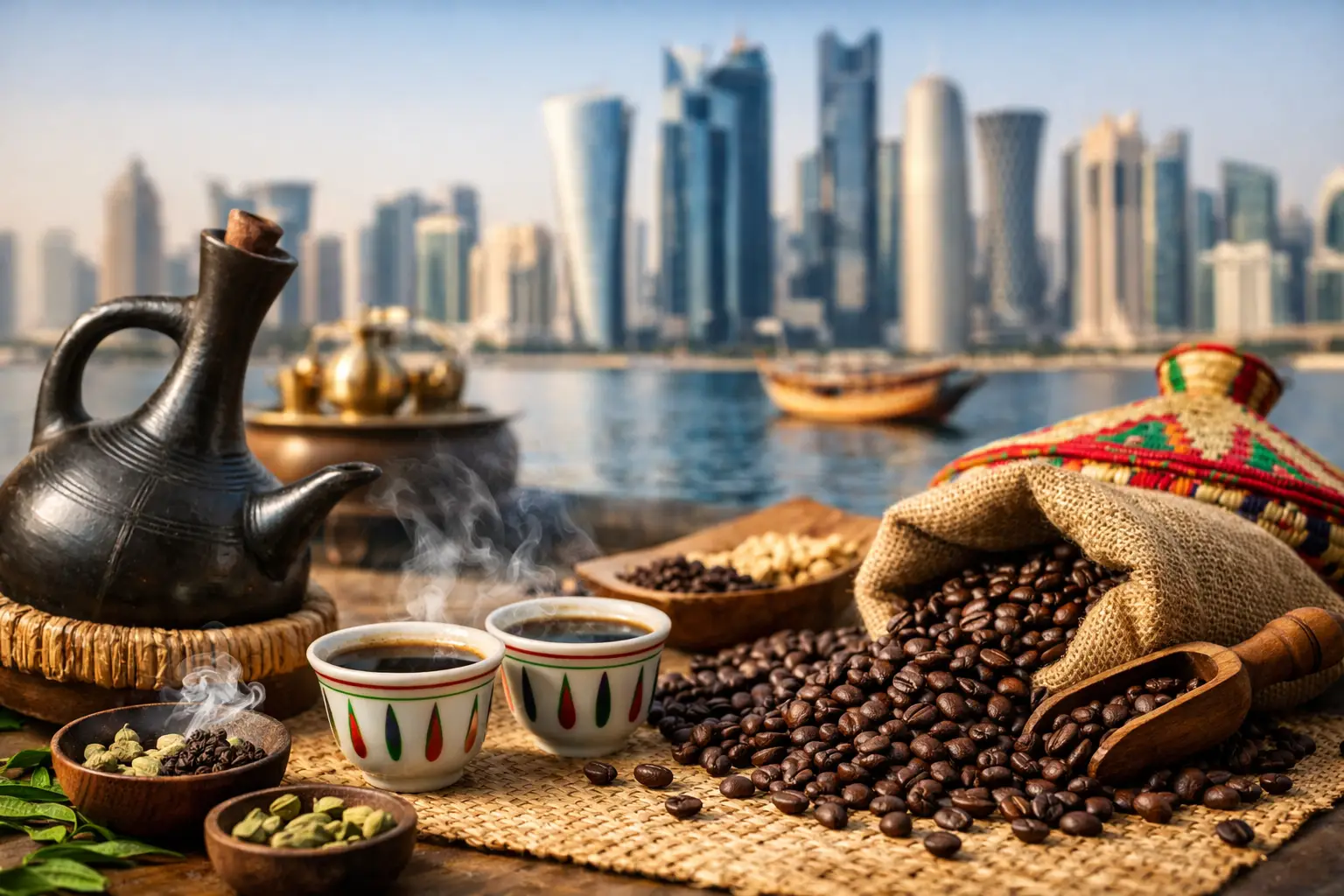
The difference often shows up before the first sip. A well-prepared cup of Ethiopian coffee Doha drinkers return to again and again carries a distinct aroma – floral, citrus-bright, and layered – without needing heavy syrups or refined sugar to feel complete.
That matters more than many people realize. In a city with no shortage of cafés, coffee can easily become loud rather than precise: extra sweet, over-roasted, overbuilt. Ethiopian coffee offers a different standard. It leads with origin, not masking. It values the bean itself – how it was grown, processed, roasted, and brewed – and that creates a cup that feels cleaner, more expressive, and far more memorable.
Why Ethiopian coffee in Doha feels different
Ethiopia holds a special place in coffee culture because it is widely recognized as the birthplace of Arabica coffee. But heritage alone is not the reason these coffees continue to stand out. The real distinction comes from the combination of altitude, climate, heirloom varieties, and traditional farming practices that produce remarkable complexity in the cup.
For coffee drinkers in Doha, that complexity is especially appealing because it offers contrast. Many mainstream coffee experiences are built around uniformity. Ethiopian coffees tend to do the opposite. Depending on the region and process, a cup may lean jasmine-like and tea-bright, or show notes of stone fruit, berries, honey, and soft cocoa. The flavor is often vivid, yet the body remains elegant.
That profile suits people who want more than caffeine. It suits those who care about ingredient integrity, sensory quality, and how a daily coffee ritual fits into a healthier lifestyle.
Ethiopian coffee Doha customers should look for
Not every coffee labeled Ethiopian will deliver the same experience. The origin matters, but so do the choices made after harvesting. If you are seeking a premium cup, it helps to know what separates a thoughtful offering from a generic one.
Origin specificity matters
A café or coffee retailer that names regions such as Yirgacheffe, Sidama, or Guji is usually telling you something meaningful. These regions are known for distinctive cup profiles. Yirgacheffe, in particular, is prized for its refined floral aroma, citrus lift, and clean finish. When origin is treated with respect, the coffee carries a clearer identity.
Roast should support the bean, not overpower it
Ethiopian beans are often at their best when roasted to preserve their natural character. If the roast is too dark, the finer notes disappear under smoke and bitterness. A more precise roast reveals brightness, sweetness, and structure without flattening the cup.
This is where craftsmanship becomes visible. Good roasting is not about making coffee taste intense at all costs. It is about bringing out what was already there.
Fresh grinding changes the cup
Grinding is easy to overlook, but it has an immediate effect on flavor and aroma. A tailored grind for espresso, pour-over, or French press can be the difference between a cup that tastes sharp and one that tastes balanced. Premium coffee service pays attention to this detail because freshness is part of quality, not an afterthought.
The wellness appeal is real
One reason Ethiopian coffee continues to resonate with health-conscious customers is that it does not need much intervention. When the bean quality is high, the natural flavor carries the drink. That reduces the temptation to hide harshness with processed syrups, excess cream, or refined sugar.
A clean coffee experience is not about deprivation. It is about clarity. Organic beans, careful sourcing, and natural sweetening options create a cup that feels lighter, more honest, and more aligned with people who pay attention to what they consume.
There is also a practical benefit. Many coffee drinkers say they want healthier café choices, but those choices often disappoint on taste. Ethiopian coffee closes that gap nicely because its natural sweetness and aromatic complexity already bring pleasure to the cup. You are not settling. You are choosing a better starting point.
The café experience versus brewing at home
For some people, Ethiopian coffee is best discovered in a café where the brewing is handled with precision. For others, the appeal extends into home brewing, where origin-specific beans offer room to experiment and refine preference over time.
Both approaches have value.
In a café
A well-run café lets you experience what the coffee is meant to taste like under skilled preparation. Espresso can show concentrated fruit and florals if the extraction is balanced. Filter brewing can highlight the elegance and layered aroma that make Ethiopian coffees so distinctive. The setting also matters. When service is thoughtful and the menu is built around quality rather than sugar-heavy customization, the whole experience feels more intentional.
At home
Brewing at home gives you control. You can choose roast level, grind size, brew method, and strength according to your taste. If you enjoy ritual, Ethiopian coffee rewards attention. A pour-over may reveal delicate citrus and tea notes, while a French press can bring out more body and sweetness.
The trade-off is that home brewing asks more from you. Fresh beans, proper storage, and the right grind all matter. Without them, even excellent coffee can taste ordinary.
What premium buyers should ask before choosing
If you are buying beans or ordering a cup, a few questions can tell you a great deal about quality. Is the coffee organic? Is the origin clearly identified? Was it roasted with traceability and freshness in mind? Are sweeteners natural, or is the menu built around processed add-ons?
These are not niche concerns. They are practical quality markers.
A premium coffee brand should be able to speak confidently about sourcing, roast character, and intended flavor profile. That confidence usually reflects substance rather than marketing. One reason Yirga Specialty Coffee has found a place with discerning coffee drinkers is its clear commitment to Ethiopian heritage, 100% organic beans, and a no-refined-sugar approach that protects both flavor and wellness.
Why authenticity matters with Ethiopian coffee Doha options
As interest in specialty coffee grows, so does the temptation to use origin as decoration. Ethiopian names can sound premium on a menu, but authenticity requires more than naming a country. It requires respect for the coffee’s cultural and agricultural depth.
That means understanding that Ethiopian coffee is not one flavor. It is a wide range of expressions shaped by elevation, variety, processing, and roast philosophy. It also means recognizing that heritage adds value when it is carried through the entire experience – from sourcing and preparation to how the coffee is presented to the customer.
For the buyer, authenticity often feels obvious. The cup tastes coherent. The aroma is vivid. The sweetness feels natural. Nothing seems designed to distract from weak coffee underneath.
How to choose the right Ethiopian coffee for your taste
If you usually drink dark, bold coffees, Ethiopian beans may surprise you at first. Their brightness can feel lighter, but lighter does not mean less flavorful. It often means more defined.
If you enjoy a crisp, aromatic cup, start with a washed Ethiopian coffee, especially from Yirgacheffe. These coffees tend to show floral notes, citrus, and a polished finish. If you prefer more fruit-forward sweetness and roundness, a natural-processed Ethiopian may be a better fit, with deeper berry notes and a softer texture.
Espresso drinkers should pay attention to balance. Ethiopian espresso can be beautiful, but it depends on roast development and extraction. Too little control and the cup can taste sour; too much roast and its elegance disappears. Filter coffee is often the easiest way to appreciate origin clarity, especially if you are just beginning to explore specialty coffee.
A better standard for everyday coffee
There is something compelling about coffee that does not need to be corrected after it is brewed. No heavy syrup to make it drinkable. No excess sugar to soften bitterness. Just a cup built on clean beans, careful roasting, and real character.
That is why Ethiopian coffee continues to earn loyalty among people who care about both taste and quality of life. It offers pleasure without compromise. It can feel elevated without becoming complicated. And in a market crowded with coffee designed to shout, it remains one of the clearest expressions of what coffee can be when purity comes first.
If your daily cup matters to you, choose one that still tastes honest when nothing extra is hiding inside it.
