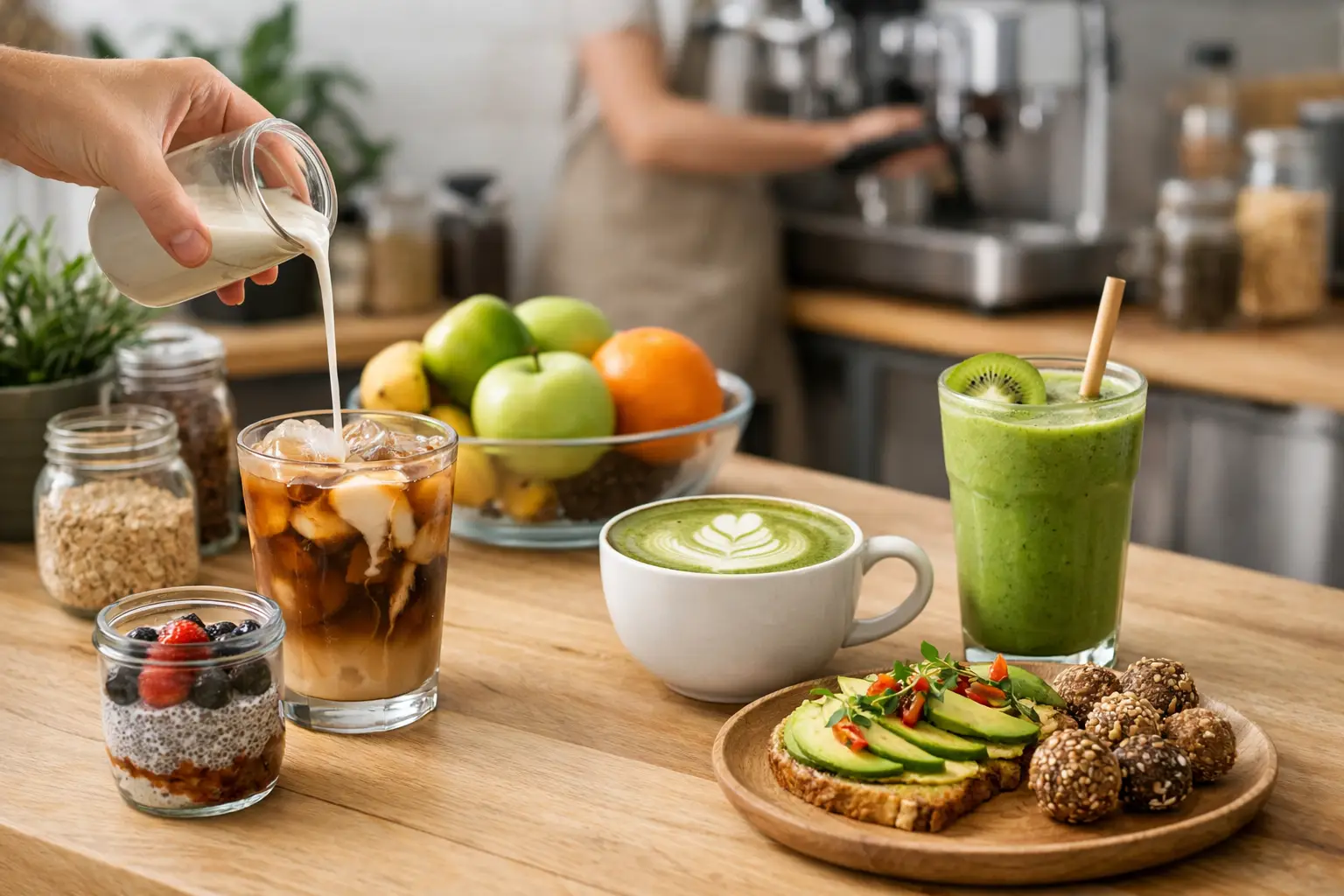
A few years ago, ordering a “healthy” coffee often meant choosing the smallest latte and hoping the syrup pump was light. That standard has changed. Healthy coffee shop trends now reflect something more thoughtful: cleaner ingredients, better sourcing, less sugar, and drinks that feel as good as they taste.
For discerning coffee drinkers, this shift is not about turning coffee into a wellness gimmick. It is about returning to what excellent coffee already offers when handled with care – depth, clarity, natural sweetness, and a more honest cup. The cafés gaining real loyalty are not the ones adding the most powders and promises. They are the ones refining the entire experience, from bean selection to sweetening choices.
Why healthy coffee shop trends are gaining ground
The strongest change in the café market is not a passing obsession with “better-for-you” branding. It is a more educated customer. People read ingredient lists. They ask where beans come from. They notice whether a drink tastes balanced on its own or needs a heavy layer of syrup to become enjoyable.
That matters because coffee sits at an unusual intersection of ritual and nutrition. Many people drink it every day, sometimes twice a day or more. Small choices add up. A café built around refined sugar, artificial flavors, and low-grade beans may still offer convenience, but it no longer matches the standards of customers who care about quality and personal well-being.
There is also a taste argument here. Better ingredients tend to make better drinks. Organic beans with careful roasting can reveal floral, citrus, cocoa, or berry notes without being buried under sweetness. Natural sweeteners can support the cup rather than flatten it. Milk choices, spice pairings, and brewing methods all affect how clean or heavy the final drink feels.
The move toward cleaner ingredients
One of the clearest healthy coffee shop trends is a shift away from highly processed add-ins. This includes artificial syrups, whipped toppings, and sugar-heavy sauces that dominate the flavor of the coffee itself. In their place, more cafés are choosing ingredients that feel closer to the source – raw honey, date-based sweetening, cinnamon, cardamom, cacao, and plant-based options with simpler ingredient lists.
This does not mean every sweet drink disappears. It means sweetness becomes more deliberate. A well-made iced latte sweetened lightly with a natural option can still feel indulgent. The difference is that the cup remains balanced, and the coffee remains present.
There is a trade-off, of course. Customers accustomed to very sweet chain-style beverages may need a reset period. Natural sweeteners often taste softer and less intense than refined sugar. But for many people, that adjustment becomes the point. Once the palate adapts, overly processed drinks can start to taste one-dimensional.
Organic and specialty-grade beans matter more than ever
Health-focused café culture is increasingly tied to bean quality. That makes sense. If coffee is the center of the cup, the raw material matters first.
Specialty-grade coffee offers more than prestige. It often brings cleaner flavor separation, better traceability, and more careful post-harvest handling. Organic coffee adds another layer for customers who want a more purity-driven product and a stronger sense of what is, and is not, entering the cup.
Not every organic coffee will automatically taste better than every conventional one. Farming, altitude, varietal, processing, and roasting all shape the result. But when organic sourcing is paired with skilled roasting and disciplined brewing, the outcome can be exceptional – vibrant aroma, defined acidity, and natural sweetness without the need to mask flaws.
This is where origin also matters. Ethiopian coffees, particularly high-grown lots known for their expressive character, align naturally with a health-conscious café approach because they can deliver complexity without relying on additives. When the bean itself offers jasmine, stone fruit, citrus, or tea-like elegance, the menu has less reason to hide it.
Wellness menus are becoming more precise
Another of the most durable healthy coffee shop trends is the rise of more intentional menus. Not larger menus – better edited ones.
The old model rewarded endless customization, often leading to drinks overloaded with sweeteners, sauces, and extras. The new model favors a tighter selection built around genuine demand: no-refined-sugar drinks, lighter milk options, functional ingredients used with restraint, and coffee-forward beverages that support different lifestyles.
That precision matters because wellness means different things to different customers. One person wants lower sugar. Another wants organic ingredients. Another cares most about dairy-free choices. A serious café does not try to solve all of this with vague health language. It gives people clear options and clear standards.
For example, a café may offer black coffee, hand-brewed single-origin options, a naturally sweetened latte, and a few carefully built signature drinks with spices or botanical notes. That approach feels more premium than a menu crowded with sugar-first creations pretending to be healthy.
Less syrup, more flavor
This is one of the most welcome changes in modern café culture. Coffee shops are learning that flavor does not have to come from syrup.
Roast profile, brew ratio, water quality, extraction precision, and milk texture all shape how satisfying a drink feels. Even spices, when used well, can create complexity without excess sweetness. Cardamom, cinnamon, ginger, and cacao can deepen a drink’s character in a way that feels warm and layered rather than sticky.
There is also renewed appreciation for drinks that highlight the bean rather than decorate it. Pour-over coffee, batch brew made properly, espresso served with balance, and cold coffee prepared without sugary shortcuts all fit this shift. These drinks ask more from the café and sometimes more from the customer, but they reward attention.
For health-conscious guests, that can be liberating. Instead of choosing between taste and discipline, they can order something genuinely enjoyable that aligns with how they want to eat and drink.
The café experience itself is becoming part of wellness
Healthy coffee shop trends are not limited to ingredients. Environment matters too. People increasingly want cafés that feel calm, intentional, and clean – places where the atmosphere supports the ritual rather than overwhelming it.
That may mean more natural light, quieter service flow, simpler presentation, and a menu that is easy to understand. It may also mean staff who can explain the difference between a washed Ethiopian coffee and a darker blend without sounding performative.
Premium customers notice these things. A health-conscious coffee experience is rarely just about calories. It is about trust. When a café appears thoughtful in its sourcing, preparation, and service, customers are more likely to believe the wellness claims attached to the drinks.
That trust can extend beyond the café counter. Many customers now want the same standards at home. Brands that offer roasted beans, tailored grind options, and a clean product philosophy across both café service and retail are especially well positioned. That is part of why companies such as Yirga resonate – the values in the cup are consistent whether someone is ordering in-store or brewing at home.
What will last and what will fade
Some trends will fade because they were never really about coffee. Drinks built around novelty ingredients or social media appeal often have a short life. They generate curiosity, then disappear when the taste fails to justify the hype.
The healthy coffee shop trends that last tend to share a few qualities. They improve the cup rather than distract from it. They respect the intelligence of the customer. And they make wellness feel integrated, not forced.
No-refined-sugar policies are likely to grow where the brand can still deliver pleasure and balance. Organic sourcing will continue to matter, especially among customers already willing to pay more for ingredient integrity. Origin-led storytelling will keep gaining relevance because people want to know what they are consuming, not just how it is branded. And specialty coffee will keep moving closer to the language of food culture, where provenance and craftsmanship are part of the value.
The challenge for cafés is maintaining standards without becoming rigid. Some customers want a pure espresso with no additions. Others want a creamy iced drink that still feels clean and controlled. A smart coffee shop can serve both, as long as the foundation is strong.
The future of coffee is not about making every menu item look virtuous. It is about offering drinks with real flavor, real sourcing, and real restraint. When a café gets that balance right, health stops feeling like a compromise and starts tasting like quality.
The most compelling coffee shops are not chasing trends at all. They are building a cleaner, more beautiful cup – and once customers experience that, it is hard to go back.
