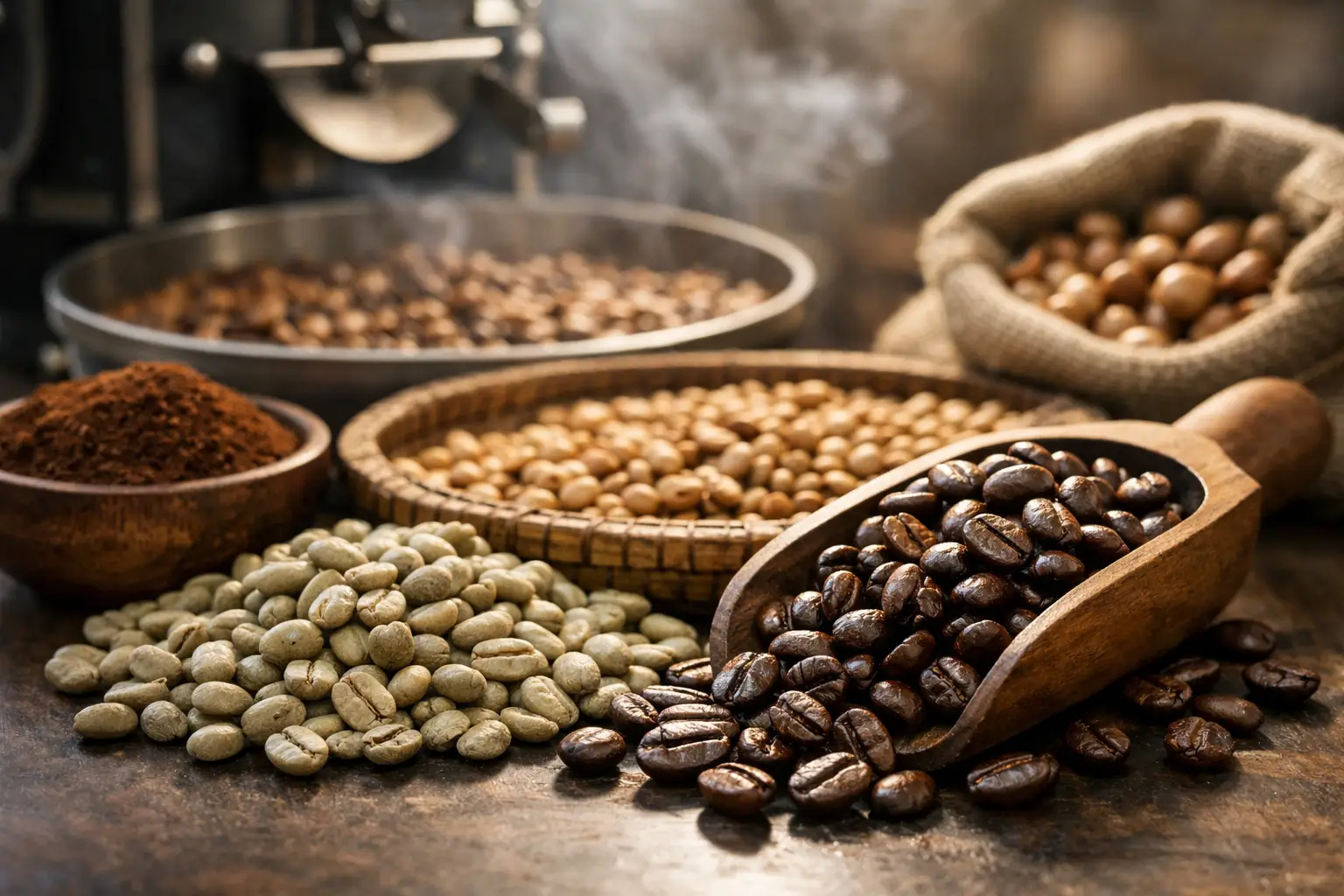
The difference between an ordinary cup and a memorable one often begins long before brewing. If you have ever wondered how are coffee beans prepared, the answer is not a single step but a careful chain of decisions – from the moment the cherry is picked to the final roast and grind. Each stage shapes purity, aroma, body, and the clean finish that defines truly exceptional coffee.
For anyone who values organic sourcing, refined taste, and a cleaner daily ritual, preparation matters as much as origin. A beautifully grown bean can lose its character through careless handling. On the other hand, thoughtful preparation protects what nature has already done well.
How are coffee beans prepared from farm to cup?
Coffee beans do not begin as beans in the form most people recognize. They begin as seeds inside coffee cherries, which grow on coffee trees in fruiting clusters. The first part of preparation happens at the farm, where ripeness matters more than many people realize.
When cherries are picked too early, the coffee can taste thin, grassy, or sharply sour. When they are overripe, the result may lean fermented or muddy. Handpicking is often preferred for premium coffee because it allows only the ripest cherries to be selected. This is slower and more labor-intensive, but for specialty coffee, quality nearly always justifies the effort.
After harvest, the fruit surrounding the seed must be removed. This is where processing begins, and it has a direct effect on flavor. The three most common methods are washed, natural, and honey processing. None is automatically best. The right choice depends on climate, desired flavor profile, and how much clarity or fruit character the producer wants to preserve.
Washed processing
In the washed method, the outer skin and fruit pulp are removed before the beans are fermented and rinsed clean. This style is often associated with crisp acidity, floral notes, and a more transparent expression of origin. For Ethiopian coffees, especially high-grown lots, washed preparation can reveal remarkable brightness and elegance.
Natural processing
With natural processing, the whole cherry dries with the bean still inside. As the fruit slowly dehydrates, sugars and fruit character influence the seed. This often produces fuller body and deeper berry-like sweetness. It can be beautiful when done well, but it also requires precision. If drying is uneven or poorly managed, the coffee may develop heavy or inconsistent flavors.
Honey processing
Honey processing sits somewhere between washed and natural. The skin is removed, but some sticky fruit mucilage remains on the bean during drying. This can create a balanced cup with sweetness, texture, and moderate clarity. It is less common in some origins than others, but it shows how preparation can be tailored rather than standardized.
Drying is where discipline shows
Once the cherries or parchment coffee have been processed, drying begins. This stage sounds simple, but it is one of the most sensitive parts of the journey. Beans need to reach a stable moisture level without drying too fast or too slowly.
Sun drying on raised beds is common in quality-focused coffee production because it allows airflow and better sorting. Workers turn the beans regularly to promote even drying and protect them from moisture spikes, intense heat, or contamination. Mechanical dryers may be used in some settings, especially when weather is less predictable, but the principle remains the same: control preserves flavor.
Poor drying can flatten everything that made the coffee promising in the first place. It may also shorten shelf life. For a brand or consumer seeking a pure coffee experience, this stage is not background work. It is foundational.
Milling, sorting, and grading
After drying, coffee goes through milling. This removes the final protective layers around the green coffee bean. At this point, the beans are sorted by size, density, and quality. Defective beans are separated out because even a small number of damaged, insect-affected, or broken beans can influence the final cup.
This is one reason specialty coffee tastes cleaner and more expressive than commodity coffee. Better lots are not only grown with more care. They are also sorted with much more discipline. Uniformity matters because roasting works best when beans respond to heat in a similar way.
In premium coffee, grading is not just about appearance. It is about cup potential. Dense, well-developed beans from higher elevations often roast with more complexity and hold onto nuanced flavors more effectively. That is one reason high-altitude coffees from regions such as Yirgacheffe are so prized. They tend to bring vivid aroma, layered acidity, and a refined finish when prepared correctly.
Roasting is where preparation becomes flavor
If farming and processing protect quality, roasting reveals it. Green coffee beans are not ready to brew. They must be roasted to develop aroma, sweetness, and structure.
During roasting, heat transforms the bean through a series of chemical changes. Sugars caramelize, acids shift, moisture escapes, and the familiar coffee aroma begins to form. The roaster decides how far to take this process based on the bean itself and the intended brewing style.
A lighter roast often highlights origin character. Floral, citrus, tea-like, or berry notes are more likely to remain clear. A darker roast brings more body and roast-driven flavors, such as chocolate, spice, or smoke, but can mute delicate origin nuances if pushed too far. Neither style is inherently superior. It depends on the coffee and on what the drinker wants from the cup.
For wellness-minded coffee drinkers, roast quality is also part of the clean experience. Careful roasting avoids the burnt, bitter edge that often leads people to mask coffee with syrups and excessive sweeteners. When the bean is prepared and roasted with precision, the cup has its own natural balance.
How are coffee beans prepared for different brewing methods?
Preparation does not end at roasting. Grinding is the final step before brewing, and it changes extraction dramatically. The same coffee can taste bright and silky or harsh and dull depending on grind size.
For espresso, beans are ground very fine to allow quick, concentrated extraction under pressure. For pour-over, the grind is usually medium to medium-fine, supporting clarity and aroma. French press uses a coarser grind, which suits a fuller-bodied cup. Cold brew needs coarse grounds and long steeping time.
This is where freshness becomes especially important. Whole beans hold their character longer than pre-ground coffee. Once coffee is ground, more surface area is exposed to air, and aroma begins to fade. That is why many specialty coffee drinkers prefer to grind just before brewing.
The ideal preparation also depends on the bean variety and roast level. A delicate organic Arabica may shine in pour-over, where you can taste its floral detail. A bolder blend might be better suited to espresso or milk-based drinks. There is no single perfect formula, only the right preparation for the result you want.
Why careful preparation matters to health-conscious coffee drinkers
People often think about coffee quality only in terms of flavor, but preparation also supports a cleaner experience overall. Handpicked cherries, careful sorting, clean processing, and precise roasting reduce the need to cover defects with heavy additives. When the bean itself is excellent, the cup tastes complete without relying on refined sugar or artificial flavoring.
That matters for consumers who want coffee to fit a more intentional lifestyle. Purity is not a marketing extra. It is the outcome of discipline at every stage. Organic cultivation, responsible handling, and thoughtful roasting create a cup that feels lighter, more expressive, and more honest.
This is also why origin deserves respect. Ethiopian coffees, for example, are often celebrated not simply because of heritage, but because the right preparation allows that heritage to speak clearly. When farmers, processors, and roasters each do their part well, the result is a coffee with identity – not just caffeine.
At Yirga Specialty Coffee, that belief shapes the standard behind every bean. Preparation is never treated as routine. It is the craft that protects aroma, flavor, and the clean character discerning coffee drinkers seek.
The next time you taste a cup with floral lift, natural sweetness, and a smooth finish, remember that none of it happened by accident. Coffee rewards care, and the best beans carry that care all the way to your cup.
