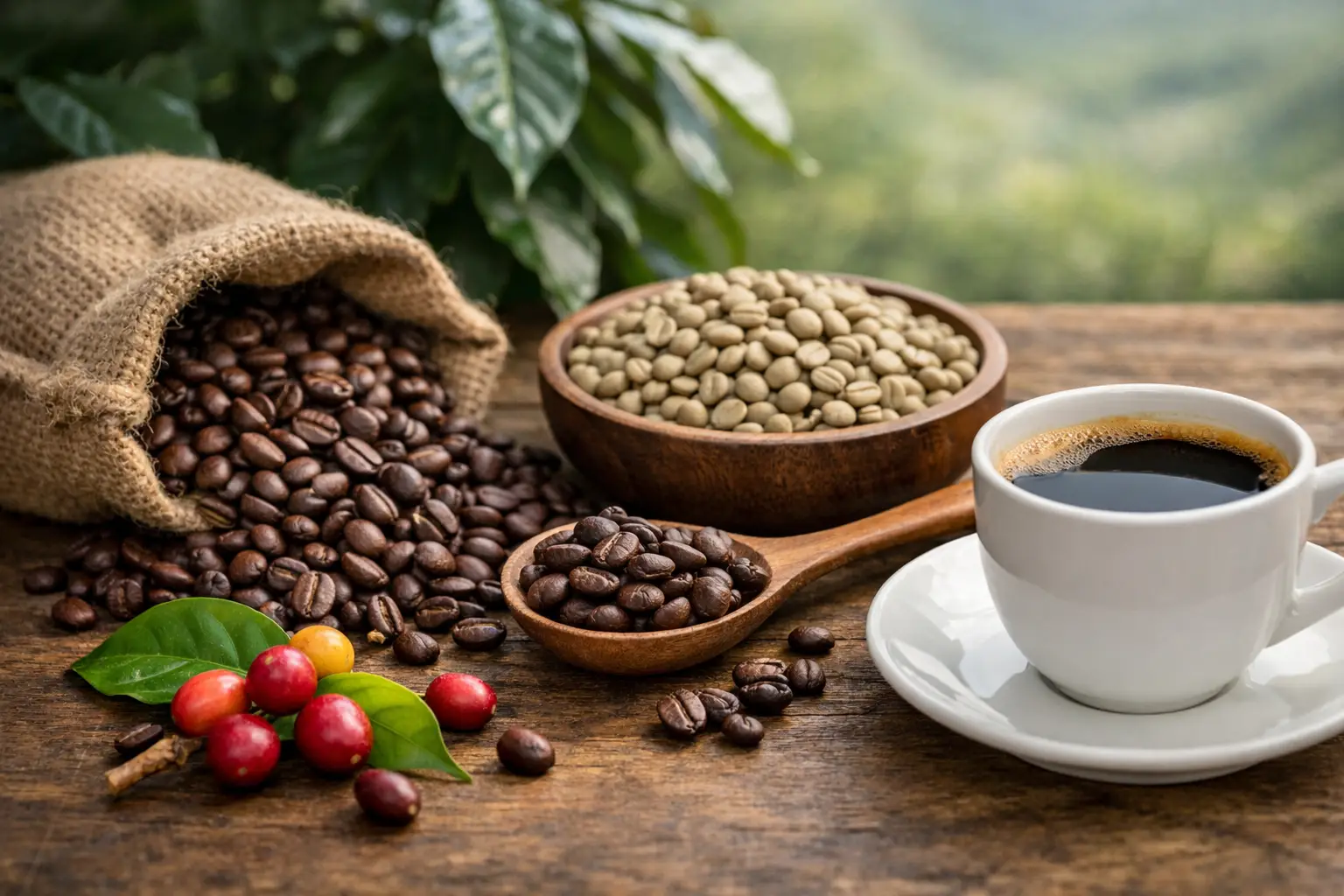
A bag can say organic and still leave you with a flat, forgettable cup. If you want to know how to choose organic coffee beans, the real question is not just whether the beans were grown without synthetic chemicals. It is whether they were sourced, processed, roasted, and packed with the same level of care that defines truly exceptional coffee.
For people who care about wellness, flavor, and ingredient integrity, organic matters. But organic alone is not a guarantee of quality. The best beans bring together clean cultivation, strong origin character, careful roasting, and freshness you can actually taste. That is where the difference lives – in the cup, not just on the label.
How to choose organic coffee beans with confidence
Start with one principle: organic certification should be your baseline, not your finish line. A quality bag of organic coffee should tell a fuller story. You want to see where the coffee was grown, what variety it is, when it was roasted, and what kind of flavor profile to expect.
If the packaging is vague, that is often a sign the coffee is being sold as a broad lifestyle product rather than as a carefully crafted food product. A premium roaster treats coffee the way a fine producer treats olive oil or tea. Details matter because they shape taste, freshness, and overall purity.
That means choosing organic beans is part label reading, part sensory judgment, and part understanding your own brewing habits. Espresso drinkers need something different from someone brewing pour-over at home. A person who loves bright floral notes will not choose the same coffee as someone who wants deep chocolate and spice.
Organic should mean clean, not generic
The word organic carries a wellness promise. It suggests fewer chemical inputs, more mindful agriculture, and a cleaner path from farm to cup. That matters, especially for coffee drinkers who are trying to avoid heavily processed ingredients in the rest of their routine.
Still, there is a trade-off worth understanding. Some mass-market brands use the organic label as the main selling point while giving very little attention to bean quality. In those cases, you may get coffee that meets certification standards but lacks complexity, freshness, or balance. It may taste dull, woody, or overly bitter.
A better approach is to look for organic coffee that is also specialty-minded. That usually means higher-altitude growing conditions, more selective picking, better processing, and more intentional roasting. Ethiopian coffees are a strong example of this. When sourced well, they often offer remarkable clarity, floral aroma, and fruit-led sweetness that feel naturally vivid rather than artificially enhanced.
Check the certification, then read beyond it
A trustworthy organic label matters. It gives you a clear starting point and signals that the coffee was produced under defined agricultural standards. But once that box is checked, keep reading.
Look for transparency around origin. Single-origin coffees can be especially appealing if you want a distinct expression of place. A high-elevation Ethiopian bean, for instance, may deliver jasmine, citrus, and tea-like elegance. A different origin might lean toward cocoa, nuts, or ripe berry. Neither is automatically better. It depends on your taste.
You should also pay attention to whether the seller names the region, farm, or cooperative. Specificity often reflects stronger sourcing relationships and more confidence in the coffee itself.
Freshness is not optional
One of the fastest ways to waste good organic beans is to buy coffee with no visible roast date. Freshness shapes aroma, sweetness, and structure. Without it, even beautifully grown beans lose their charm.
Look for a roast date rather than just an expiration date. Ideally, buy coffee within a few weeks of roasting, then use it within a reasonable window based on your brew method and storage habits. Espresso can benefit from a short rest after roasting, while filter coffee often shines soon after that early resting period.
If a bag only tells you it is “best before” a date many months away, that may be convenient for shelf life but not reassuring for flavor. Premium coffee is an agricultural product, not a forever pantry item.
Whole beans almost always win
If you are serious about taste, choose whole beans and grind them just before brewing. Ground coffee loses aromatic compounds quickly, and those delicate notes are often what make organic specialty coffee worth buying in the first place.
There are exceptions. If you do not own a grinder and buy from a roaster that can grind specifically for your brew method, pre-ground coffee can still be enjoyable. The key is precision and freshness. A grind for French press is not right for espresso, and a generic grind setting rarely does justice to premium beans.
Roast level changes everything
Many people looking for organic coffee focus so heavily on purity that they forget to ask a more practical question: will I actually enjoy drinking this every day?
Roast level has a major effect on that answer. Light roasts tend to preserve more origin character. They can taste floral, citrusy, and vibrant. Medium roasts usually offer a balanced profile with sweetness, body, and clear flavor definition. Dark roasts bring more roast character, often with notes of cocoa, smoke, or spice, though they can also mask the bean’s natural complexity if pushed too far.
There is no single best roast level for organic coffee. The right choice depends on your palate and your brewing style. If you want a clean pour-over with bright acidity, a lighter roast may suit you beautifully. If you prefer a rounder cup for milk-based drinks, a medium roast often gives more flexibility. If you are moving away from bitter commercial blends, be cautious with very dark roasts.
Processing methods affect purity and flavor
Coffee processing can sound technical, but it has a direct effect on what ends up in your cup. Natural, washed, and honey-processed coffees each bring a different expression of the same bean.
Washed coffees are often prized for clarity. They can taste crisp, elegant, and structured. Naturals usually feel fruitier and more intense, with a fuller body and sweeter impression. Honey processing often sits somewhere in between, offering texture and sweetness with a bit more definition than a natural.
If your idea of purity is a bright, refined cup with clean finish, washed organic coffees may appeal to you. If you enjoy a richer, more aromatic experience, natural-processed beans can be extraordinary. Again, it depends on what you value most: precision, fruit intensity, body, or balance.
Match the bean to your brew method
A beautiful organic coffee can still disappoint if it is not suited to how you brew. This is where many people go wrong.
For espresso, look for beans with enough sweetness and structure to stay expressive under pressure. Medium roasts are often a smart choice. For pour-over, coffees with distinct floral, citrus, or stone-fruit notes can be stunning, especially when lightly to moderately roasted. For French press, body matters, so coffees with chocolate, spice, or ripe fruit can perform well. Cold brew often benefits from beans with lower perceived acidity and more rounded sweetness.
If you switch between brew methods, choose a versatile medium roast with balanced acidity and a clear flavor description. That gives you room to experiment without fighting the coffee.
Flavor notes should sound real, not theatrical
Tasting notes are useful, but they should help you imagine the cup, not turn the bag into a perfume ad. Look for descriptors that feel grounded: jasmine, bergamot, cocoa, blueberry, roasted almond, black tea.
Overly dramatic language can hide a lack of precision. The best roasters describe flavor in a way that feels both inviting and credible. You do not need to taste every note exactly as written, but the profile should guide expectations.
This matters even more when choosing organic coffee online. Since you cannot smell the beans first, flavor notes become part of the trust equation.
Packaging and storage tell you a lot
Good coffee packaging protects the bean from oxygen, light, and moisture. A resealable bag with a one-way valve is usually a positive sign. It suggests the roaster is thinking about preservation, not just presentation.
Once you bring the beans home, store them in a cool, dry place in their original bag or another airtight container. Avoid the refrigerator. Moisture and odor absorption can damage flavor. Buy in quantities you will actually use while the coffee is still lively.
There is also a practical wellness angle here. Fresh, properly stored coffee tends to need less disguise. When the bean itself is sweet, aromatic, and balanced, you are less likely to rely on sugar-heavy additions to make it drinkable.
The best organic coffee beans reflect both place and intention
When a coffee is truly well chosen, you can sense more than freshness and certification. You taste altitude, variety, processing, roast discipline, and the producer’s care. That is especially true in coffees with strong origin identity, such as Ethiopian selections known for their layered florals and refined fruit notes.
This is where heritage adds value. Origin is not just a marketing detail. It is a clue to the sensory experience ahead. A coffee with authentic regional character offers more than caffeine. It offers a cleaner, more memorable ritual.
If you are standing in front of several bags and trying to decide, choose the one that gives you the clearest information and the most believable promise. Organic should support quality, not replace it. The right beans will taste honest from the first aroma to the last sip, and once you know that standard, it becomes very hard to settle for less.
