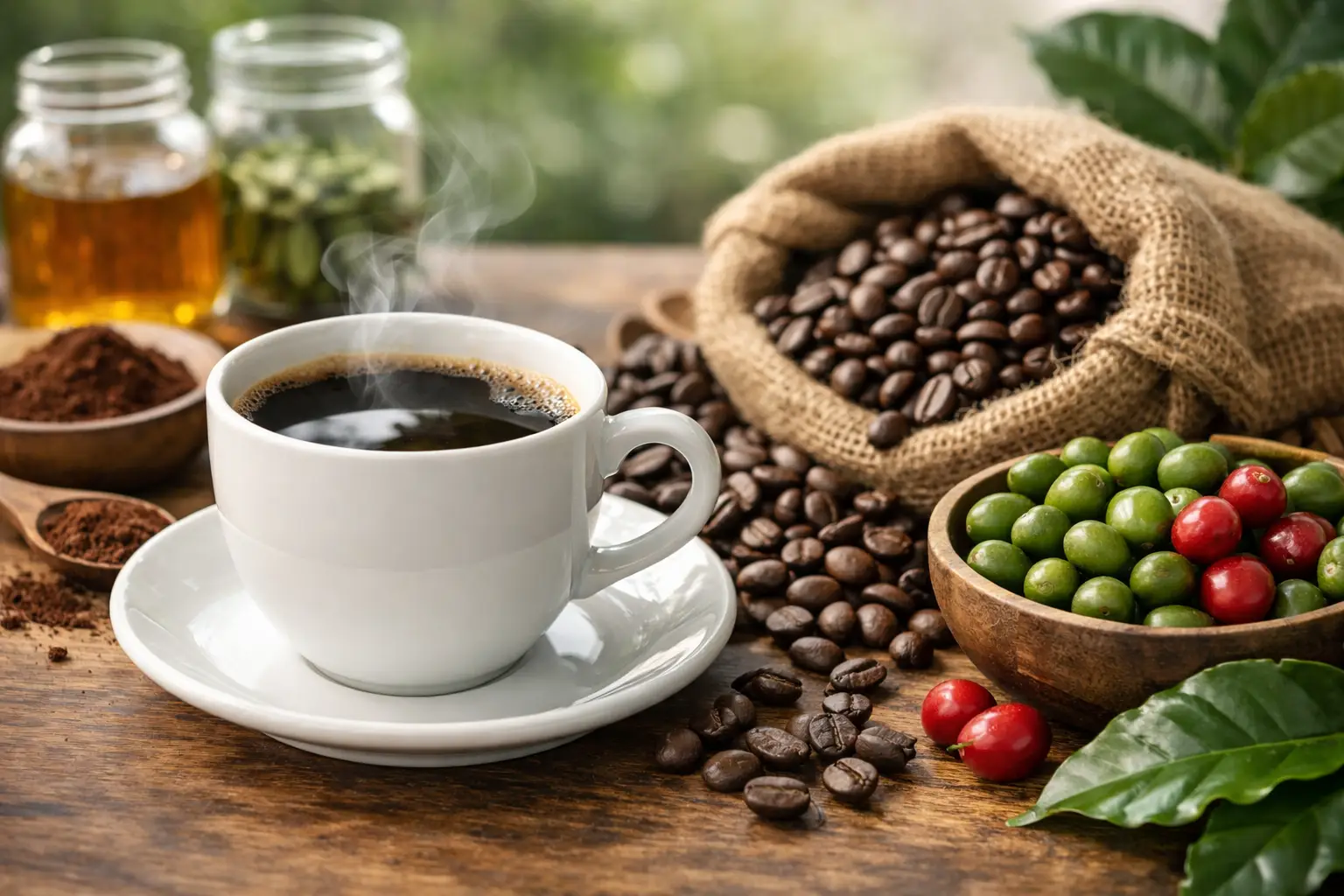
If you care about what goes into your cup, “is organic coffee healthier” is a fair question – and the honest answer is yes, often, but not always in the way people assume. Organic coffee can offer a cleaner starting point because it is grown without synthetic pesticides and fertilizers, yet the health value of your coffee still depends on origin, roast, freshness, brewing method, and what you add after brewing.
For many coffee drinkers, the real difference is not a dramatic medical transformation. It is a quieter kind of quality. Organic coffee aligns more closely with a low-intervention, ingredient-conscious lifestyle. When the beans are carefully sourced and properly roasted, you are tasting coffee with less interference and more of the bean’s natural character intact.
Is organic coffee healthier in a meaningful way?
Organic coffee is generally healthier if your priority is reducing exposure to synthetic agricultural chemicals. Organic farming standards restrict the use of many conventional pesticides, herbicides, and synthetic fertilizers. That matters for people who want cleaner food choices across the board, especially if coffee is part of their daily routine.
Coffee beans are roasted before they reach your cup, and roasting changes the chemical makeup of the bean. So the conversation is not as simple as saying organic equals more nutrients. The stronger case for organic coffee is about purity and agricultural practice rather than a guaranteed boost in vitamins or caffeine quality.
There is also a broader wellness angle. Organic production often works hand in hand with soil-conscious farming and more careful cultivation. While “organic” does not automatically mean small-batch or specialty-grade, many premium organic coffees are produced with more attention to plant health, harvest timing, and post-harvest handling. That can lead to a cleaner cup in both flavor and philosophy.
What organic coffee does and does not change
Organic coffee does not turn coffee into a health drink on its own. It still contains caffeine, and caffeine still affects people differently. For some, coffee supports focus, mood, and physical performance. For others, too much can mean jitters, poor sleep, or digestive discomfort. Organic status does not remove those variables.
What it may change is what comes along with the bean before roasting. Conventional coffee farming can involve chemical inputs that some consumers prefer to avoid. Choosing organic can lower that concern, particularly if you drink coffee every day and prefer consistency in ingredient standards.
It is also worth separating bean quality from café habits. A beautifully grown organic bean loses much of its health appeal when it is turned into a sugar-heavy drink with flavored syrups and processed creamers. On the other hand, a well-brewed cup of organic black coffee or coffee finished with simple, natural ingredients keeps the focus where it belongs – on the bean itself.
Antioxidants and coffee quality
Coffee naturally contains antioxidants, including chlorogenic acids, which have been studied for their role in reducing oxidative stress. Both organic and conventional coffee contain these compounds. Organic coffee is not automatically higher in antioxidants, but quality-focused growing and roasting can help preserve what the bean naturally offers.
Roast level matters here. Lighter roasts tend to retain more of certain original compounds, while darker roasts develop deeper, richer flavors through heat exposure. Neither is universally healthier. A lighter roast may preserve more chlorogenic acids, while a darker roast may feel gentler on some stomachs because of shifts in acidity and roasting chemistry. It depends on your body and your taste.
Is organic coffee easier on the body?
Some people say organic coffee feels smoother or causes less discomfort. Sometimes that is true, but not only because it is organic. A cleaner finish can come from high-altitude Arabica beans, careful processing, fresher roasting, and thoughtful brewing. Ethiopian coffees, especially well-produced Yirgacheffe lots, are a strong example of how floral aroma, citrus brightness, and tea-like clarity can create a refined cup without harshness.
If you are sensitive to bitterness or heaviness, the healthier choice may be less about the label alone and more about bean grade and preparation. Specialty organic coffee often performs better here because it is selected and roasted for balance rather than masked with dark roasting or sweet additives.
The biggest health factor is often what you add
When people ask whether organic coffee is healthier, they are usually thinking about the beans. Fair enough. But in everyday life, the larger difference often comes from what ends up in the cup after brewing.
Black organic coffee is naturally low in calories and free from added sugar. Once you layer in syrups, whipped toppings, sweetened condensed milk, or heavily processed creamers, the equation changes quickly. Those additions can overwhelm any benefit associated with cleaner farming practices.
That is why a wellness-driven coffee experience goes beyond sourcing. It includes how the drink is built. Natural sweeteners, restrained milk use, and respect for the coffee’s original flavor profile make a real difference. A pure cup does not need much decoration when the bean itself is expressive.
Is organic coffee healthier than conventional specialty coffee?
This is where nuance matters. A high-quality conventional specialty coffee can still be exceptional in flavor, freshness, and traceability. It may be shade-grown, carefully harvested, and expertly roasted. In some cases, it may outperform a lower-grade organic coffee in cup quality and overall experience.
So if the comparison is organic commodity coffee versus conventional specialty coffee, the answer is not automatic. Health is not only about certification. It is also about freshness, processing quality, mold risk, roasting precision, and what you consume with it.
Still, if two coffees are comparable in grade, freshness, and roast quality, the organic one often has the edge for consumers who value lower chemical exposure and more natural farming methods. That is the version of “healthier” that tends to hold up best.
What to look for if health matters to you
If your goal is a cleaner daily cup, start with organic beans from a trusted roaster that shares how the coffee was sourced and handled. Look for recent roast dates, origin clarity, and flavor notes that suggest the coffee was developed with care rather than roasted to generic darkness.
Bean type matters as well. Arabica is often preferred for its layered flavor and softer profile, while Robusta contains more caffeine and can taste stronger and more intense. Neither is wrong. If you want a more delicate, aromatic cup, organic Arabica is often the better fit. If you want more body and caffeine, a well-crafted blend may suit you better.
How you brew also changes the experience. Paper-filter methods can remove more oils, which some drinkers prefer. Espresso offers concentration and texture. French press preserves more body, though it also allows more oils into the cup. If your stomach is sensitive, cold brew may feel smoother because of its flavor profile, although caffeine levels can still be high.
Finally, pay attention to freshness. Even the purest bean loses character when it sits too long or is ground improperly. Coffee is at its best when the chain from farm to roast to brew is handled with intention.
Why many people feel better choosing organic
Part of wellness is physical, and part of it is about trust. Choosing organic coffee can feel healthier because it aligns the daily ritual with a cleaner standard. You know more about what was avoided in production. You are often buying from producers and roasters who value transparency, craft, and the integrity of the raw ingredient.
That peace of mind has value. Coffee is not just caffeine delivery. It is a sensory habit, a moment of focus, and for many people, an expression of how they want to live. When the cup reflects purity, origin, and restraint, it tends to fit more naturally into a health-conscious routine.
At Yirga Specialty Coffee, that principle is central to the cup itself – organic beans, careful roasting, and a no-refined-sugar approach that lets coffee taste like coffee, not a dessert disguised as one.
So, is organic coffee healthier?
Most of the time, yes – if by healthier you mean cleaner farming practices, fewer synthetic chemical inputs, and a cup that supports a more ingredient-conscious lifestyle. But organic status is not a shortcut to quality, and it does not cancel out poor brewing habits or sugary add-ins.
The best coffee for your health is coffee that is thoughtfully grown, freshly roasted, properly brewed, and kept close to its natural form. Choose beans with integrity, brew them with care, and let the quality of the origin carry the experience. Your daily coffee can be both a pleasure and a cleaner choice when nothing unnecessary gets in the way.
