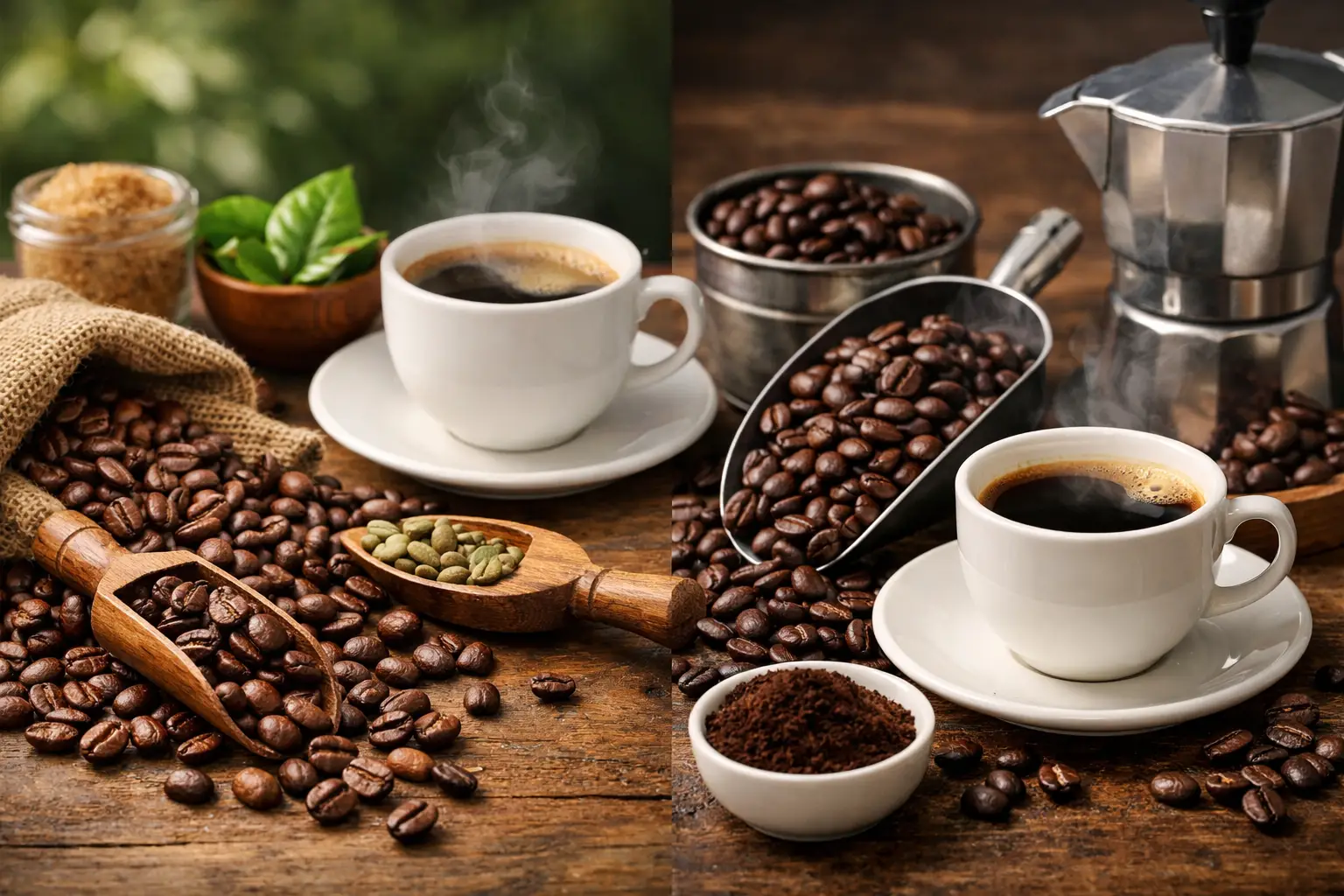
The difference between a clean, expressive cup and a flat, forgettable one often starts long before the beans are roasted. When people compare organic coffee vs regular coffee, they are usually asking more than one question at once. They want to know whether organic coffee is healthier, whether it tastes better, whether it is worth the higher price, and whether the label actually changes what ends up in the cup.
The honest answer is that organic is not a magic word. But it does point to a different standard – one that can affect farming methods, ingredient purity, and the overall character of the coffee you drink.
Organic coffee vs regular coffee: what actually changes?
At the simplest level, organic coffee is grown without synthetic pesticides, herbicides, and chemical fertilizers, following certified agricultural standards. Regular coffee may be grown with conventional farming inputs, and in large-scale commodity systems, those inputs are often used to maximize yield and control pests quickly.
That distinction matters, but it is only part of the story. Coffee quality is shaped by altitude, variety, soil, climate, harvesting, processing, storage, roasting, and brewing. A certified organic coffee can still be poorly roasted or made from low-grade beans. A non-organic coffee can still taste excellent if it is sourced and handled with care.
So the better comparison is not organic equals good and regular equals bad. It is whether the coffee has been produced with more restraint, more transparency, and more respect for the ingredient.
Farming methods shape the cup before roasting begins
Coffee is an agricultural product, and like any crop, it reflects how it was grown. Organic farms tend to rely on natural soil management, composting, shade-growing practices, and ecological balance rather than chemical shortcuts. That approach can support healthier soil over time, which many coffee professionals believe contributes to better bean development.
Regular coffee farming varies widely. Some producers use thoughtful conventional methods and maintain high standards. Others operate in systems that are built for volume first. In those cases, the goal is consistency and output, not nuance.
For the drinker, this can translate into a meaningful difference. Coffee grown with care often carries more distinct flavor notes, better structure, and a cleaner finish. That is especially true when the beans are handpicked, processed properly, and roasted to preserve their natural character rather than cover flaws.
Does organic coffee taste better?
Sometimes yes, sometimes no. Taste depends on far more than certification alone.
If an organic coffee comes from high-altitude farms, is harvested at peak ripeness, and is roasted with precision, it can be remarkably vivid – floral, citrusy, chocolatey, or fruit-forward, depending on origin and variety. Ethiopian coffees, for example, are often loved for their clarity and aromatic complexity when treated with this level of care.
But organic certification does not guarantee a premium sensory experience by itself. A regular coffee from an exceptional farm and skilled roaster can taste far better than an organic coffee that was handled carelessly.
What organic often does offer is a cleaner starting point. For many drinkers, that matters. When coffee is not buried under syrups, artificial flavors, or over-roasting, the bean has a chance to speak more clearly. The result is less bitterness, more definition, and a cup that feels deliberate rather than manufactured.
Organic coffee vs regular coffee for wellness-minded drinkers
This is where the conversation becomes more personal. Many people choose organic coffee because they want fewer synthetic chemical inputs associated with what they consume daily. Coffee is not an occasional indulgence for most people. It is a ritual, sometimes two or three times a day. Small decisions feel bigger when repeated that often.
Organic coffee may appeal to wellness-focused drinkers because it aligns with a broader preference for cleaner ingredients and less processed food. That does not mean regular coffee is automatically harmful. It means some consumers prefer a system with stricter rules around how the beans are grown and handled.
There is another detail people often miss: what gets added after brewing can matter as much as the bean itself. A carefully sourced organic coffee loses some of its purity when loaded with refined sugar, artificial syrups, or heavily processed creamers. If your goal is a cleaner coffee experience, the full cup matters – bean, roast, brew, and add-ins.
Price: are you paying for quality or just a label?
Organic coffee usually costs more, and there are real reasons behind that. Organic farming often requires more labor, lower yields, stricter certification processes, and more careful land management. Those costs show up in the retail price.
Still, not every higher-priced bag is worth it. Some brands charge a premium for the word organic while offering average coffee inside. Others combine organic sourcing with specialty-grade standards, traceability, and careful roasting. That is where the value becomes easier to taste.
A useful question is not simply, “Is organic coffee more expensive?” It is, “What else comes with that price?” If the answer includes quality sourcing, freshness, origin transparency, and real flavor integrity, the cost makes more sense.
The biggest difference may be quality philosophy
In practice, the most noticeable gap between organic and regular coffee is often a difference in mindset.
Commodity coffee is usually built around scale. The goal is to produce a familiar, repeatable product at a competitive cost. That often leads to darker roasting, blending for uniformity, and flavor profiles designed to offend no one and excite few.
Organic specialty coffee tends to come from a different philosophy. The emphasis is on the bean’s natural identity – where it was grown, how it was processed, and what its true flavor should be. There is more room for individuality, more attention to roasting, and more respect for the drinker who notices detail.
That is one reason many coffee lovers who switch to carefully sourced organic beans do not go back easily. The cup feels more alive. Not louder, just clearer.
What to look for if you want the better cup
If you are deciding between organic and regular coffee, start by looking beyond the front label. Certification matters, but it should sit alongside other signs of quality.
Look for origin information, not just generic claims. Look for roast dates instead of vague shelf presence. Pay attention to whether the brand talks about bean variety, altitude, processing method, or tasting notes with confidence and specificity. Those details suggest the coffee is being treated as a craft product rather than a commodity.
It also helps to match the coffee to how you drink it. If you prefer espresso with milk, you may want a fuller-bodied profile with chocolate and spice notes. If you brew pour-over or drink it black, a bright, floral, high-altitude coffee may show more of what organic specialty sourcing can offer.
For drinkers who care about both purity and taste, brands that build their identity around clean ingredients and premium sourcing tend to be the strongest choice. At Yirga Specialty Coffee, for example, the focus on 100% organic beans, natural sweetness, and Ethiopian coffee heritage reflects a more intentional standard for what daily coffee can be.
So which should you choose?
If your priority is the lowest price and a familiar caffeine routine, regular coffee may be perfectly acceptable. There are decent conventional options, especially when the roasting is fresh and the sourcing is responsible.
If your priority is ingredient integrity, a cleaner profile, and a coffee experience shaped by craftsmanship rather than convenience, organic coffee usually offers more to appreciate. Not because the label alone transforms the bean, but because it often comes with a different chain of decisions – from the farm to the roaster to the final cup.
That is the real point in the organic coffee vs regular coffee debate. It is not just about what has been excluded from the process. It is about what has been preserved: origin character, sensory clarity, and a sense that coffee can still taste like an agricultural treasure instead of a generic product.
The best cup is the one that matches your standards as closely as it matches your palate. Once you taste coffee that is grown with restraint, roasted with precision, and served without unnecessary distractions, it becomes much easier to know what belongs in your daily ritual.
