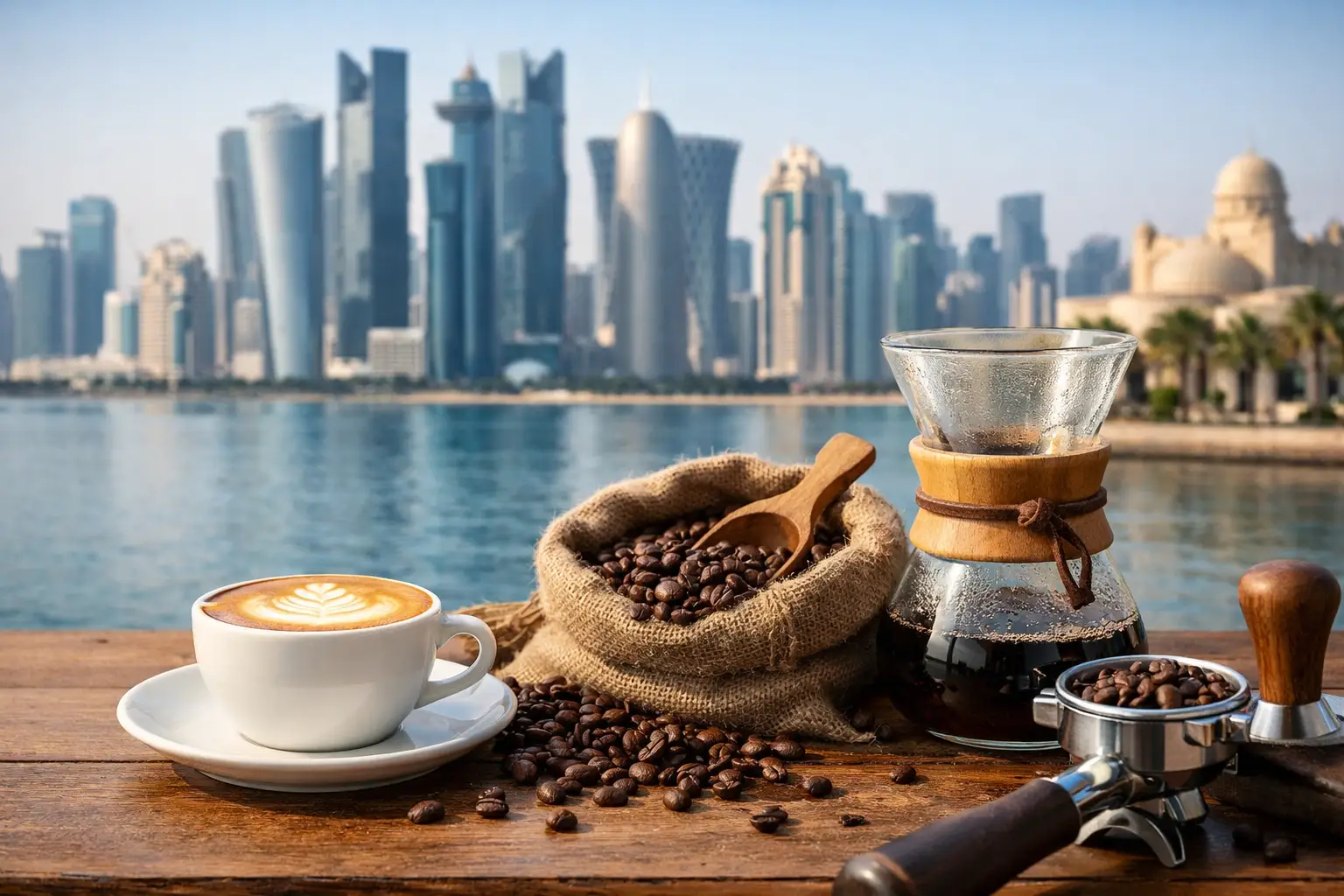
A flat white can look polished anywhere. What separates a memorable cup from an expensive habit is what happened long before the milk was poured – the bean, the farm, the roast, the grind, and everything added afterward.
That is why specialty coffee Qatar is becoming more discerning. People are no longer satisfied with drinks built on heavy syrups, burnt espresso, and sugar that hides weak sourcing. They want clarity in the cup, a cleaner ingredient list, and a coffee experience that feels considered from origin to finish. In a market known for polished hospitality, that shift matters.
What specialty coffee means in Qatar now
Specialty coffee is often described through scores, brewing standards, and tasting notes. Those details matter, but for most customers they are only part of the story. In practical terms, specialty coffee means the cup has been handled with intention at every stage. The beans are selected for quality, not volume. The roast is designed to reveal character, not flatten it. The drink is built to express flavor, not cover it.
In Qatar, that definition is becoming more mature. A few years ago, specialty could simply mean a stylish café, a manual brew bar, or latte art on top of a milk drink. Today, customers are asking better questions. Where was the coffee grown? Is the roast suited to espresso or filter? Is sweetness coming from the bean itself or from flavored additives? Does the café respect the ingredient, or just the aesthetic?
That change is healthy for the industry. It pushes cafés to compete on substance rather than presentation alone.
Why specialty coffee Qatar is moving toward cleaner cups
One of the clearest shifts in the local coffee scene is the growing preference for purity. People still enjoy indulgence, of course, but there is increasing interest in drinks that feel lighter, more transparent, and less processed.
This is where specialty coffee naturally aligns with wellness. High-quality beans, especially when roasted with care, can offer natural sweetness, floral lift, citrus brightness, cocoa depth, or a tea-like finish without needing much intervention. A well-extracted cup does not have to be corrected with flavored syrups. It can stand on its own.
That does not mean every coffee should taste delicate or every customer should drink it black. It means the foundation matters more. If milk is added, the espresso should still carry character. If sweetness is preferred, natural sweeteners can complement the coffee rather than overpower it. If a customer is trying to reduce refined sugar, specialty coffee gives them more room to do that without sacrificing pleasure.
For many urban professionals and wellness-minded café visitors, this is the real appeal. The drink feels cleaner, but it still feels premium.
Origin is not a marketing detail
In a crowded market, many brands mention origin. Fewer treat it with the respect it deserves.
Coffee origin shapes far more than a label on a bag. Altitude, climate, soil, variety, and processing all influence the final cup. Ethiopian coffees, for example, are prized for their aromatic complexity and layered fruit and floral notes. They can be vivid and elegant at once, which is one reason they remain central to serious coffee conversations around the world.
For customers in Qatar who already appreciate quality dining, fragrance, and craft, origin is one of the most compelling parts of specialty coffee. It introduces a sense of place. It turns a daily ritual into something more textured and human. You are not just ordering a latte. You are tasting decisions made at farm level, refined through roasting, and expressed in the cup.
That is also why generic blends can feel limiting. They may offer consistency, but they often erase distinction. Specialty coffee, at its best, does the opposite. It lets you notice the bean’s identity.
The difference between premium and merely expensive
Qatar has no shortage of attractive cafés. But beautiful interiors and premium pricing do not automatically signal specialty standards.
A genuinely premium coffee experience usually reveals itself in quieter ways. The espresso tastes balanced rather than harsh. The menu is selective rather than overloaded with sweetened combinations. Staff can explain the difference between roast profiles without turning the conversation into a lecture. Brew methods are chosen with purpose. The aftertaste is clean.
There is also a difference in how the product respects the body. Coffee built around refined sugar, artificial flavoring, and low-grade beans may deliver intensity, but not necessarily quality. By contrast, a café that starts with organic beans, thoughtful roasting, and cleaner ingredients offers a more disciplined kind of luxury. It feels less inflated and more honest.
That distinction matters because sophisticated customers can tell when value is real. Premium is not about excess. It is about precision.
How to choose a specialty coffee shop in Qatar
If you are trying to find the right café or beans, the best indicators are not always the loudest ones. Start with the coffee itself. Does the menu reveal confidence in the bean, or does it rely on additions to create appeal? A strong specialty program usually makes room for espresso, milk-based drinks, and slower brew methods without losing its identity.
Next, pay attention to sourcing language. Vague claims like premium beans are easy to make. More credible cafés talk clearly about origin, variety, roast style, or processing. They do not need to overcomplicate it, but they should show that the coffee came from somewhere specific and was selected with care.
Then consider ingredient integrity. This is especially relevant for customers who want a healthier routine. If every signature drink depends on heavy syrups and refined sugar, the café may be selling sweetness more than coffee. A cleaner approach suggests confidence in the base product.
Finally, think about whether the brand understands your lifestyle. Some people want a bright filter coffee for a slow morning. Others want a balanced espresso they can drink daily without palate fatigue. Others are shopping for beans to brew at home. The right specialty coffee brand makes space for these different habits instead of forcing one idea of taste.
Brewing at home is part of the specialty culture
One sign that a coffee market is evolving is that customers do not stop at the café counter. They want to recreate quality at home.
That is happening more often now, and it changes what people look for in a coffee brand. Freshly roasted beans, tailored grinding, and clear roast descriptions become more valuable when customers are using V60s, French presses, espresso machines, or simple drip setups at home. Education matters too, but not in a stiff way. People want enough guidance to brew better without feeling like they need barista certification.
This is where thoughtful retail offerings make a difference. Whole beans for freshness, ground coffee suited to the brew method, and options across Arabica, Robusta, or blended profiles give customers more control over the experience. For some, that means chasing brightness and aroma. For others, it means preferring body, crema, and a darker structure. Specialty does not require one taste preference. It requires care.
Why heritage gives specialty coffee more depth
The best coffee brands do more than sell flavor notes. They carry a point of view.
Heritage adds depth because it connects the product to a lived tradition, not just a trend. Ethiopian coffee culture, in particular, brings a richness that goes beyond sourcing prestige. It speaks to ritual, hospitality, and an enduring relationship with the bean itself. When that heritage is expressed with authenticity, it elevates the customer experience without making it feel staged.
This is especially powerful in a market where many consumers are experienced, widely traveled, and attentive to quality. They are not only buying caffeine. They are choosing brands that reflect discernment. A coffee company grounded in heritage and wellness can offer something more lasting than novelty – a standard.
That is part of why brands like Yirga resonate. The appeal is not only Ethiopian origin or specialty technique on its own. It is the combination of clean organic coffee, cultural authenticity, and a more intentional way to enjoy it.
The future of specialty coffee Qatar should want
The next phase of specialty coffee in Qatar will likely be less about spectacle and more about refinement. Customers are becoming sharper. They notice when flavor is genuine. They notice when ingredients are clean. They notice when a café respects the bean enough to let it speak.
That creates a better future for everyone involved. Cafés have reason to improve sourcing and preparation. Retail coffee becomes more thoughtful. Customers gain more confidence in what they are drinking every day.
And perhaps most importantly, coffee returns to what made it compelling in the first place – aroma, balance, character, and a sense that quality does not need to shout. A truly special cup is often the quietest one on the table.
