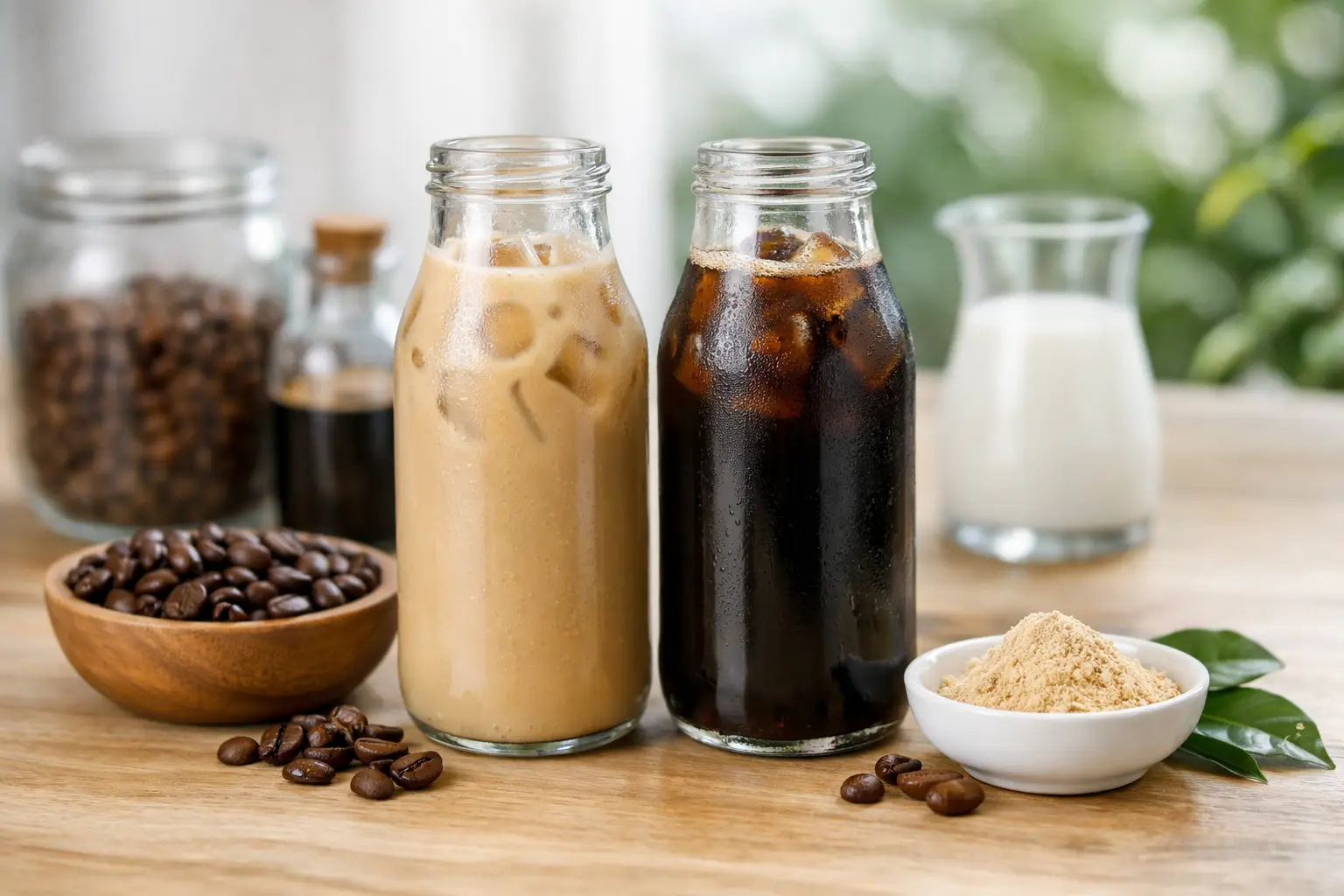
That first sip tells the truth. If a coffee drink tastes vivid, balanced, and naturally aromatic, it usually does not need a long ingredient list to make its case. Clean label coffee drinks appeal for exactly that reason – they let the coffee lead, while everything else in the cup supports flavor rather than disguising it.
For people who care about wellness, taste, and ingredient integrity, this shift matters. A drink can still feel indulgent, comforting, and café-worthy without relying on refined sugar, artificial syrups, preservatives, or vague flavor enhancers. When the beans are excellent and the ingredients are chosen with discipline, the result is not a compromise. It is often a better cup.
What clean label coffee drinks actually mean
The phrase sounds simple, but it is often used loosely. In practice, clean label coffee drinks are beverages made with recognizable ingredients and a short, intentional formula. That usually means quality coffee, milk or a clear plant-based alternative, natural sweetening if any is used, and real flavor sources such as cinnamon, cocoa, vanilla, or dates instead of lab-made shortcuts.
Clean label does not always mean unsweetened, and it does not automatically mean low calorie. It means the ingredients are transparent, minimally processed where possible, and easy to understand. You should be able to read what is in the cup and know why each ingredient is there.
That standard matters more in coffee than many people realize. Coffee drinks are often marketed as premium while being built on commodity beans, sugar-heavy syrups, whipped toppings, stabilizers, and flavorings designed to overpower bitterness. A clean label approach reverses that formula. It starts with better coffee, then keeps the rest disciplined.
Why the coffee itself matters more in clean label drinks
A clean label drink can only be as good as its base. If the beans are flat, over-roasted, or low grade, the beverage often needs extra sweetness and heavy flavor additions to feel complete. Specialty coffee changes that equation.
High-quality beans bring their own character – floral notes, citrus brightness, cocoa depth, berry sweetness, or a soft tea-like finish. Ethiopian coffees are especially valued for this clarity and elegance. A well-sourced Yirgacheffe, for example, can carry a clean label drink with remarkable ease because it already offers complexity in the cup.
This is where craftsmanship becomes part of wellness. When coffee is handpicked, carefully roasted, and brewed with precision, less correction is needed later. You do not have to cover the cup in processed sweetness to make it enjoyable. The natural profile of the bean does more of the work.
The ingredient difference you can taste
Many coffee drinks are engineered for consistency first and purity second. That does not always make them bad, but it does change the experience. Artificial vanilla can smell louder than real vanilla, yet taste thinner. A syrup can create instant sweetness, but it can also flatten the coffee beneath it.
Clean label coffee drinks tend to taste more defined. The sweetness feels rounder. The spice notes are more aromatic. The finish is cleaner rather than sticky or overly coated on the palate. You notice the coffee, not just the add-ins.
Natural sweeteners are a good example. Honey, date syrup, coconut sugar, or a small amount of maple can bring warmth and complexity that works with coffee rather than against it. They each have their own flavor signature, so the choice matters. A bright Ethiopian espresso might pair beautifully with a touch of date sweetness, while a deeper medium roast may suit honey or cinnamon better.
There is a trade-off, of course. Natural ingredients can be less uniform than industrial syrups. They may vary slightly by season or source, and they require more skill to balance. But for many drinkers, that is part of the value. The drink feels made, not manufactured.
Clean label does not mean boring
One reason some people hesitate around clean label beverages is the assumption that purity equals restraint to the point of blandness. In reality, the opposite is often true. When ingredients are thoughtfully chosen, the flavor can become more expressive.
A cappuccino made with organic beans and perfectly textured milk does not need embellishment to feel luxurious. An iced latte with real cardamom or cinnamon can taste more distinctive than a heavily sweetened flavored version. Cold brew with a touch of date sweetness and a hint of cocoa can feel rich, layered, and satisfying without crossing into dessert territory.
The difference is intention. Clean label coffee drinks are not trying to imitate milkshakes or candy bars. They are designed to preserve the identity of coffee while expanding its sensory range in a more natural way.
What to look for on a menu or label
If you are ordering at a café or shopping for bottled coffee, a few details reveal a lot. The first is whether the coffee origin or bean quality is treated as a selling point. Brands that care about clean ingredients usually care about the coffee itself too.
The second is the sweetening method. If a drink depends on multiple syrups, “flavor bases,” or ingredients that sound abstract, it is probably not built around purity. If the menu mentions organic beans, real spices, natural sweeteners, or no refined sugar, that is a stronger sign of a clean label mindset.
The third is the ingredient list length. Shorter is not always better by default, but in coffee drinks, simplicity usually helps. Coffee, milk, natural sweetness, and real flavor components often produce a better result than a formula crowded with fillers and stabilizers.
It also helps to ask how the drink is made. Some cafés are happy to adjust sweetness, use cleaner add-ins, or prepare a simpler version of a house drink. That flexibility is often a sign that the beverage is built from real ingredients rather than pre-made concentrates.
Why wellness-minded drinkers are choosing clean label coffee drinks
For many people, this choice is not about following a trend. It is about avoiding the disconnect between a daily ritual that should feel energizing and a drink that is overloaded with ingredients they would not normally choose elsewhere.
Coffee is personal. It starts the day, anchors meetings, creates pause in the afternoon, and often reflects broader lifestyle habits. If someone is careful about food quality, sugar intake, or processed ingredients, it makes sense that they would want the same standard in their cup.
That does not mean every clean label coffee drink is automatically healthier in every sense. Portion size still matters. Sweetness still adds up. Milk choices still change the nutritional profile. But cleaner formulation gives people more control. It removes the hidden extras and lets the drink be judged more honestly.
For professionals, athletes, and wellness-focused café guests, that clarity has real appeal. They want coffee that feels polished and pleasurable, but also aligned with how they eat and live.
A cleaner standard for premium coffee
At the premium end of the market, clean label is becoming less of a niche preference and more of an expectation. Discerning customers now notice when a café invests in origin, roast quality, and ingredient integrity, and they also notice when “premium” is just branding wrapped around sugar and flavoring.
This is one reason heritage and sourcing matter. Coffee with a strong sense of origin carries its own credibility. Ethiopian coffee, in particular, brings a story of altitude, craft, and remarkable sensory distinction that fits naturally with a cleaner philosophy. When the bean has identity, the beverage does not need excess to feel special.
Yirga Specialty Coffee embodies that standard by pairing organic Ethiopian coffee heritage with a no-refined-sugar approach and a more intentional view of indulgence. It is a reminder that purity and pleasure do not compete when the coffee is genuinely excellent.
Clean label coffee drinks are not one-size-fits-all
The best version depends on the drinker. Some people want a straightforward espresso or flat white with nothing added. Others want an iced drink with gentle sweetness and spice. Some prefer dairy for texture, while others feel better with oat or almond milk. Clean label is not a single recipe. It is a standard for how the drink is built.
That leaves room for preference, season, and ritual. In warmer weather, a clean iced latte with real vanilla or cardamom can feel crisp and refreshing. In cooler moments, a brewed coffee with steamed milk and cinnamon offers comfort without heaviness. What matters is that the flavor feels honest.
A better coffee culture is often built on small decisions repeated daily. Choosing cleaner ingredients, respecting the bean, and refusing unnecessary shortcuts may seem subtle at first. Then one morning, the cup tastes clearer, lighter, and more complete – and going back becomes much harder.
The next time you order coffee, look past the marketing and listen to the cup itself. The best drinks rarely need to hide what they are.
