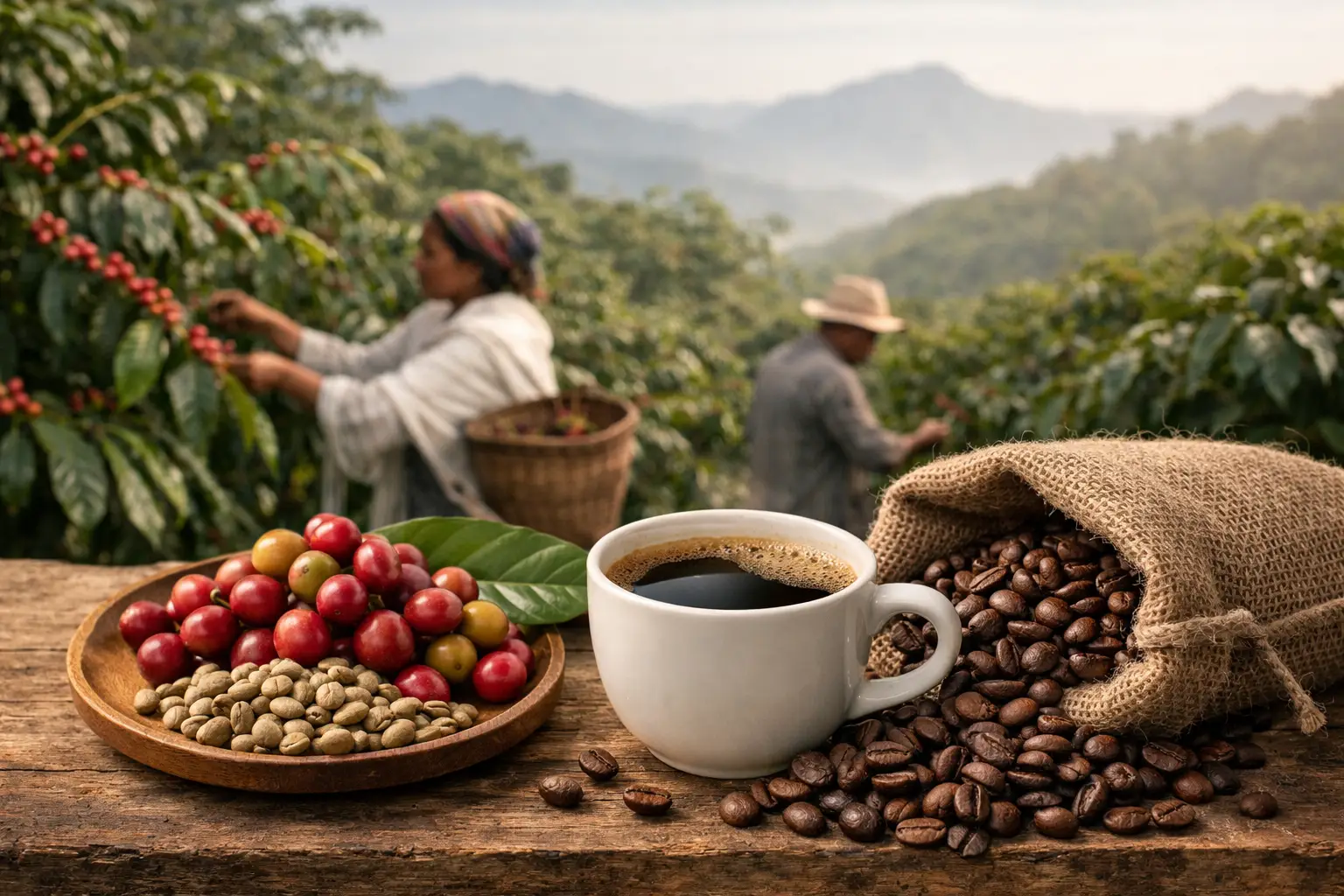
One sip can tell you when a coffee has a real sense of place. Ethiopia arabica coffee does that almost immediately – often with jasmine on the nose, citrus or stone fruit in the cup, and a clean finish that feels vivid rather than heavy. For coffee drinkers who care about purity, origin, and a more expressive flavor profile, it remains one of the most compelling coffees in the world.
That reputation is not built on marketing. It comes from a combination of altitude, genetic diversity, traditional cultivation, and processing methods that allow the bean’s natural character to stay intact. When handled well, Ethiopian Arabica offers something many coffees cannot – complexity that still feels graceful.
What makes Ethiopia Arabica coffee unique
Ethiopia holds a special place in coffee because Arabica’s roots are here. That matters not just historically, but sensorially. Many Ethiopian coffees come from heirloom varieties rather than a narrow set of commercially standardized cultivars, which helps explain why the cup can feel so layered and distinctive.
Altitude is another major factor. Coffee grown at higher elevations matures more slowly, allowing sugars and acids to develop with more definition. In the cup, that often translates into brightness, floral lift, and refined sweetness rather than blunt intensity. If you enjoy coffees that taste lively and elegant, Ethiopian Arabica is often the benchmark.
The growing environment also plays a role. Rich soil, cooler temperatures, and a mix of forest, garden, and smallholder farm systems create conditions that support quality. Much of this coffee is still grown in ways that are relatively low-intervention compared with large-scale commodity production. That does not automatically guarantee excellence, but it often helps preserve character.
Flavor notes you can expect from Ethiopian Arabica
Not all Ethiopian coffee tastes the same, and that is part of the appeal. Some cups lead with bergamot, lemon, and jasmine. Others move toward ripe peach, blueberry, or apricot. Some washed lots feel tea-like and precise, while natural-processed coffees can be fuller, sweeter, and more fruit-forward.
What ties many of them together is clarity. Even when the fruit notes are bold, the cup often remains clean. You are less likely to get the flat chocolate-and-smoke profile common in darker commodity coffees and more likely to experience distinct layers that open as the coffee cools.
This is also why roast matters so much. A thoughtful roast protects the bean’s aromatic detail instead of burying it. Roast too dark, and much of what makes Ethiopian Arabica special disappears under carbon, bitterness, and generic roast flavor. Roast too light without skill, and acidity can feel sharp rather than polished. The best results come from precision and restraint.
Regions that shape the cup
Within Ethiopia, region matters as much as origin itself. Yirgacheffe is prized for its floral aromatics, citrus brightness, and silky, tea-like structure. It is often the coffee people fall in love with when they first realize coffee can taste delicate and expressive rather than simply strong.
Sidama can offer vivid fruit, sweet spice, and balanced acidity, often with a little more roundness. Guji has earned attention for intensely fragrant cups with berry notes and layered sweetness. Limu tends to be softer and more restrained, with citrus, floral tones, and a polished body.
These are useful guideposts, not rigid rules. Processing method, microclimate, variety, and roasting all influence the final cup. Still, understanding region helps you choose more intentionally. If you want crisp florals and clarity, a washed Yirgacheffe is a strong place to start. If you prefer deeper fruit and more body, a natural lot from Guji or Sidama may suit you better.
Washed vs natural processing in Ethiopia Arabica coffee
Processing changes the expression of the same bean in meaningful ways. With washed coffee, the fruit is removed before drying, which usually highlights acidity, floral aromatics, and precision. These coffees often feel clean, structured, and transparent. If you want to taste origin with minimal interference, washed Ethiopian lots are often a beautiful choice.
Natural processing dries the coffee with the fruit still on the seed. This can bring out berry-like sweetness, richer body, and a more perfume-like aroma. When done with care, naturals can be vibrant and luxurious. When done poorly, they may taste overly fermented or muddled. This is one area where sourcing discipline matters a great deal.
For many coffee drinkers, the choice comes down to preference rather than quality. Washed coffees tend to appeal to those who love precision and elegance. Naturals often attract people who want a fuller, more dramatic fruit profile. Both can be exceptional when the green coffee is strong and the roasting is thoughtful.
Why Ethiopian Arabica suits a cleaner coffee lifestyle
For people trying to move away from overly sweet, syrup-heavy café drinks, Ethiopian Arabica can make that shift easier. Its natural fragrance and built-in sweetness reduce the need to cover the cup with refined sugar or artificial flavoring. When the coffee is high quality, you notice that the bean already carries enough character on its own.
This is especially relevant for health-conscious drinkers who want coffee to feel like a daily ritual, not a dessert disguised as one. A clean cup with floral aroma, fruit notes, and balanced acidity offers satisfaction without excess. It is indulgent in flavor, but not in a processed way.
That is also why origin integrity matters. Organic cultivation, careful handling, and precise roasting are not just quality signals. They support a more honest cup – one where what you taste comes from the coffee itself. For a brand like Yirga Specialty Coffee, that commitment aligns naturally with a purity-focused, no-refined-sugar coffee experience.
How to brew Ethiopian Arabica well at home
This coffee rewards attention, but it does not require a laboratory. Start with fresh beans, grind just before brewing, and avoid water that is either too hot or too cool. If you use a pour-over method, keep your extraction even and resist the urge to overcomplicate the recipe. Ethiopian coffees often shine when the brew is clean enough to let the aromatics speak.
French press can work too, though it tends to emphasize body over clarity. Espresso is more variable. Some Ethiopian coffees make stunning espresso with floral, citrus, and honey-like notes, while others are so delicate that they can be harder to dial in. It depends on the roast style and the profile you want.
The main mistake is treating Ethiopian Arabica like a generic dark roast. If you grind too fine, brew too aggressively, or pair it with too much milk and sweetener, you can flatten the very qualities that make it special. A lighter hand usually gives a better result.
What to look for when buying Ethiopia Arabica coffee
Look first for origin specificity. A bag that names region, process, and roast approach tells you more than one labeled only as “premium coffee.” Freshness matters, but transparency matters too. You want signs that the coffee has been selected for cup quality, not just packaged well.
It also helps to match the coffee to your taste rather than chasing whatever sounds most exotic. If you enjoy bright, floral cups, choose washed coffees from regions known for elegance. If you prefer sweetness and fruit intensity, natural-processed lots may be the better fit. Neither choice is more sophisticated. It is simply a different expression.
Finally, pay attention to how the roaster talks about the coffee. The best sellers do not hide behind vague claims. They describe flavor honestly, roast with intention, and respect the bean enough not to overwhelm it. With Ethiopian Arabica, that restraint is often where the luxury lives.
The pleasure of this coffee is not only that it tastes beautiful. It is that it reminds you what coffee can be when origin, craftsmanship, and purity are allowed to lead the cup.
